How Many Times Is Too Many Times to Edit Your Writing?
Are you like me and you hate editing your writing? Because I loathe it with a deep and abiding passion, but then I see people who talk about editing 1, 2, 3 and more times! I get that editing is a necessary important part of the process, but I’m still not a fan.
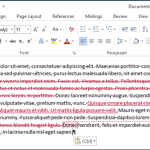 Yesterday I saw a writer saying they were on their third editing pass and explained what they did, and another today who was on their 4th or 5th pass and found a glaring plot hole – so yes, I understand the need for the process, but I have to wonder, how many times is too many when it comes to editing your writing?
Because at some point, editing stops feeling like progress and starts feeling like you’re just circling the same pages over and over again.
Let’s talk about it.
Editing Isn’t a One-and-Done Process
First things first: editing isn’t supposed to happen once. And a little caveat for me – it’s not supposed to not happen!
A strong piece of writing usually goes through multiple layers:
- A first pass for structure and big-picture issues
- A second pass for clarity and flow
- A third pass for line-level edits
- A final polish for grammar and consistency
That’s not overkill. That’s normal when you’re editing. If anything, finding a plot hole on your fourth edit doesn’t mean you’re doing something wrong. It means you’re finally seeing your story clearly enough to fix it.
And that’s growth.
When Editing Your Writing Becomes Too Much
Editing your writing becomes “too much” when it stops improving your work and starts stalling it.
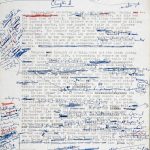 Here are a few signs you’ve crossed that line:
- You’re changing sentences just to change them
- You keep undoing edits you made in previous drafts
- You’re afraid to move forward because something might be wrong
- You’ve lost sight of what the piece is even supposed to be
At that point, you’re not editing your writing anymore. You’re avoiding. And yes, I say that with love 😄Also a bit o aww because I am impressed with your powers of editing!
Editing Your Writing: Fixing vs Fiddling
There’s a huge difference between:
Fixing something that’s broken
and
Fiddling with something that’s already working
When editing your writing, finding a plot hole is fixing. Rewriting the same paragraph five different ways because none of them feel “perfect”? That’s fiddling. One moves your writing forward. The other keeps you stuck.
Give Each Round of Editing a Job
One of the easiest ways to avoid over-editing your writing is to give each round a clear purpose.
Instead of saying:
“I’m editing again…”
Try:
- “This round is just for plot consistency”
- “This round is just for dialogue”
- “This round is just for tightening sentences”
When editing your writing has a job, you’re less likely to wander into unnecessary changes.
You Don’t Have to Catch Everything at Once When Editing Your Writing
Here’s the part most writers struggle with: You are not supposed to catch every issue in one pass when editing your writing. Your brain literally can’t do that. That’s why things like plot holes show up later. It’s not because you missed them. It’s because you weren’t ready to see them yet. And that’s okay.
The Real Question to Ask When Editing Your Writing
Instead of asking:
 “How many edits is too many?”
Try asking:
“Is this edit making my writing better, or just different?”
That one question will save you hours of second-guessing when editing your writing.
A Final Thought on Editing Your Writing
Editing your writing isn’t a sign that your work is broken. It’s a sign that you care enough to make it stronger.
So if you’re on your fourth edit and you just found a plot hole?
Good.
Fix it.
That means you’re paying attention. Just don’t let the process keep you from ever calling it done.
Because at some point, editing your writing needs to stop. It needs to be read.
If this helped you, you might also like exploring more tools over on my Writing Resources page. It’s really quite the awesome resource if I do say so myself. There are lots of great useful documents that you can download – for free – to help with character development, pacing, world building, and so much more. But I digress.
And if you want a deeper dive into the editing process, this guide from MasterClass on self-editing breaks it down in a really practical way.
And if you’re in the middle of editing your writing right now, take a breath.
You’re not behind.
You’re just in the process.