
When Teachers Have to Pivot (And Why It’s Exhausting)
Teacher’s have to pivot constantly. So much so that you’d think we’d be dizzy all of the time. Some days don’t unravel in dramatic ways. They just… pile up.
Grading that takes longer than it should. A lesson that needs to be tweaked on the fly. A plan that doesn’t survive first period. A dozen tiny decisions that no one sees, but all of them require energy.
By the end of the day, you’re not undone. You’re just tired.
And for teachers, that kind of tired has a name.
The Hidden Cost of Teacher Flexibility
Teachers are praised constantly for being flexible. Rolling with changes. Pivoting when plans fall apart. Making it work for kids no matter what.
Flexibility is treated like a virtue we’re supposed to access on demand.
What doesn’t get said nearly enough is this: flexibility costs energy.
Every pivot requires mental recalibration. Emotional regulation. A quick internal rewrite of expectations. When this happens once or twice, it’s manageable. When it happens every day, sometimes every class period, it becomes exhausting.
Being good at adapting does not mean it is effortless.
The Emotional Whiplash of Always Adjusting
Teachers don’t just pivot instruction. We pivot emotionally.
We adjust our tone. Our patience. Our responses. We absorb stress so our classrooms can stay steady. We make space for students’ needs while quietly shelving our own.
That emotional whiplash adds up.
And yet, many teachers hesitate to name it because it feels too close to complaining. As if acknowledging exhaustion somehow cancels out caring.
It doesn’t.
When Snow Days and Assemblies Derail Everything
Some pivots don’t come from inside the classroom at all.
Snow days that knock carefully sequenced units off track. Unplanned assemblies that swallow entire class periods. Schedule changes that look minor on paper but unravel weeks of pacing in practice.
None of these disruptions are anyone’s fault. But they still require teachers to mentally re-map lessons, rework assessments, and compress content on the fly.
What looks like “just a snow day” often means:
- Rethinking instructional flow
- Rebuilding momentum
- Letting go of lessons that no longer fit
Each adjustment costs time and cognitive energy, even when we make it look seamless.
How Constant Pivoting Fuels the Sunday Scaries
This is where constant pivoting starts to spill into personal time.
When plans are fragile and schedules unpredictable, it becomes harder to feel settled going into a new week. Teachers  start mentally rehearsing contingencies instead of resting.
That low-level dread has a name: the Sunday Scaries.
They aren’t about disliking the job. They’re about anticipating another week of adjustment without enough recovery in between.
If this feeling sounds familiar, you may find validation in this post on the Sunday Scaries, which explores why they hit teachers so hard and how to ease their grip without guilt:
Why the Sunday Scaries Hit Teachers So Hard
And Then There’s Monday (Because Of Course)
If Sunday anxiety plants the seed, Monday often reaps the harvest.
 Mondays can feel especially sharp because they’re the first real test of how the week actually unfolds. Meetings, assessments, unexpected changes, and students still settling back into rhythm all collide at once.
When emotional reserves are already low, Monday doesn’t just feel hard. It feels overwhelming.
I explore this pattern more deeply here:
Why Mondays Feel Hard for Teachers
Loving Teaching Doesn’t Cancel Out Teacher Burnout
You can love teaching and still be burned out by it.
This experience isn’t just anecdotal. Research consistently shows that ongoing stress, lack of recovery time, and constant cognitive demands contribute directly to burnout in educators. According to the
American Psychological Association
,
burnout develops when chronic workplace stress is not successfully managed, which mirrors exactly what many teachers experience during nonstop pivoting.
Burnout isn’t a lack of passion. It’s what happens when demands consistently outpace recovery.
When flexibility becomes constant. When pivots never stop. When rest keeps getting postponed until “later.”
Burnout isn’t failure. It’s feedback.
Why I Created the Teacher Burnout Guide
This is exactly why I created the
Teacher Burnout Guide
.
Not as a productivity hack. Not as a fix-everything solution. But as a lifeline for teachers who are exhausted from always 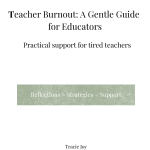 adjusting, always accommodating, always pushing through.
The guide is designed to help teachers recognize burnout early, set gentler boundaries, and reclaim small pockets of energy without guilt.
Because resilience isn’t infinite, and pretending otherwise only makes things worse.
Permission to Stop Pivoting Tonight
If today required more rolling and pivoting than you had energy for, this is your permission slip.
You don’t have to solve everything tonight.
You don’t have to be endlessly flexible after hours.
You don’t have to earn your rest.
Teaching asks a lot. Too much, some days.
And acknowledging that truth isn’t weakness.
It’s honesty.
When Teachers Have to Pivot (And Why It’s Exhausting)
Some days don’t unravel in dramatic ways.
They just… pile up.
Grading that takes longer than it should. A lesson that needs to be tweaked on the fly. A plan that doesn’t survive first period. A dozen tiny decisions that no one sees, but all of them require energy.
By the end of the day, you’re not undone. You’re just tired.
And for teachers, that kind of tired has a name.
The Hidden Cost of Teacher Flexibility
Teachers are praised constantly for being flexible. Rolling with changes. Pivoting when plans fall apart. Making it work for kids no matter what.
Flexibility is treated like a virtue we’re supposed to access on demand.
What doesn’t get said nearly enough is this: flexibility costs energy.
Every pivot requires mental recalibration. Emotional regulation. A quick internal rewrite of expectations. When this happens once or twice, it’s manageable. When it happens every day, sometimes every class period, it becomes exhausting.
Being good at adapting does not mean it is effortless.
The Emotional Whiplash of Always Adjusting
Teachers don’t just pivot instruction. We pivot emotionally.
We adjust our tone. Our patience. Our responses. We absorb stress so our classrooms can stay steady. We make space for students’ needs while quietly shelving our own.
That emotional whiplash adds up.
And yet, many teachers hesitate to name it because it feels too close to complaining. As if acknowledging exhaustion somehow cancels out caring.
It doesn’t.
When Snow Days and Assemblies Derail Everything
Some pivots don’t come from inside the classroom at all.
Snow days that knock carefully sequenced units off track. Unplanned assemblies that swallow entire class periods. Schedule changes that look minor on paper but unravel weeks of pacing in practice.
None of these disruptions are anyone’s fault. But they still require teachers to mentally re-map lessons, rework assessments, and compress content on the fly.
What looks like “just a snow day” often means:
- Rethinking instructional flow
- Rebuilding momentum
- Letting go of lessons that no longer fit
Each adjustment costs time and cognitive energy, even when we make it look seamless.
How Constant Pivoting Fuels the Sunday Scaries
This is where constant pivoting starts to spill into personal time.
When plans are fragile and schedules unpredictable, it becomes harder to feel settled going into a new week. Teachers start mentally rehearsing contingencies instead of resting.
That low-level dread has a name: the Sunday Scaries.
They aren’t about disliking the job. They’re about anticipating another week of adjustment without enough recovery in between.
If this feeling sounds familiar, you may find validation in this post on the Sunday Scaries, which explores why they hit teachers so hard and how to ease their grip without guilt: Why the Sunday Scaries Hit Teachers So Hard
And Then There’s Monday (Because Of Course)
If Sunday anxiety plants the seed, Monday often reaps the harvest.
Mondays can feel especially sharp because they’re the first real test of how the week actually unfolds. Meetings, assessments, unexpected changes, and students still settling back into rhythm all collide at once.
When emotional reserves are already low, Monday doesn’t just feel hard. It feels overwhelming.
I explore this pattern more deeply here: Why Mondays Feel Hard for Teachers
Loving Teaching Doesn’t Cancel Out Burnout
You can love teaching and still be burned out by it.
This experience isn’t just anecdotal. Research consistently shows that ongoing stress, lack of recovery time, and constant cognitive demands contribute directly to burnout in educators. According to the
American Psychological Association
,
burnout develops when chronic workplace stress is not successfully managed, which mirrors exactly what many teachers experience during nonstop pivoting.
Burnout isn’t a lack of passion. It’s what happens when demands consistently outpace recovery.
When flexibility becomes constant. When pivots never stop. When rest keeps getting postponed until “later.”
Burnout isn’t failure. It’s feedback.
Why I Created the Teacher Burnout Guide
This is exactly why I created the
Teacher Burnout Guide
.
Not as a productivity hack. Not as a fix-everything solution. But as a lifeline for teachers who are exhausted from always adjusting, always accommodating, always pushing through.
The guide is designed to help teachers recognize burnout early, set gentler boundaries, and reclaim small pockets of energy without guilt.
Because resilience isn’t infinite, and pretending otherwise only makes things worse.
Permission to Stop Pivoting Tonight
If today required more rolling and pivoting than you had energy for, this is your permission slip.
You don’t have to solve everything tonight.
You don’t have to be endlessly flexible after hours.
You don’t have to earn your rest.
Teaching asks a lot. Too much, some days.
And acknowledging that truth isn’t weakness.
It’s honesty.