How Do You Know When Your Book Is Done? A Writer’s Guide to Finishing and Editing
There comes a moment in every writing journey where you stare at your manuscript and think, “Is this…done?”

 Not “perfect.” Not “ready to win awards.” Just…done.
If you’ve ever felt stuck in that space between finishing your story and actually calling it complete, you’re not alone. Knowing when your first draft is done and what comes next can feel just as overwhelming as writing the book itself. By the way, this is the time you should celebrate. You did a thing! The thing isn’t perfect, but you did it, so celebrate it.
When Is Your First Draft Actually Finished?
Here’s the truth most writers don’t want to hear: your first draft is done when the story exists from beginning to end.
That’s it.
I’m almost at this part of the process and then I can say “My book is done.” I could wrap it up tonight except for the fact that I am so sick today that it isn’t even funny.
Not when every sentence sparkles. Not when every plot hole is fixed. Not when you’ve reread chapter three seventeen times. If your story has a clear beginning, middle, and end, congratulations. You have a finished first draft.
And yes, it might be messy. It might be uneven. It might feel like you wrote parts of it while half-asleep or fueled entirely by snacks and questionable life choices.
Still counts.
The Biggest Mistake Writers Make at This Stage
The biggest trap is thinking you need to fix everything now for your book to be done before moving forward. This is how writers get stuck.
Endless tweaking. Rewriting the same chapters. Polishing sentences in a draft that isn’t even structurally solid yet. Your job after finishing a first draft isn’t perfection. It’s distance. Step away. Give yourself space. Let your brain reset so you can come back with fresh eyes.
If this helped you, you might also like: Balancing Dialogue and Description in Your Writing
What Happens After the First Draft?
Your book is done, but the process isn’t. This is where the real work begins.
Editing isn’t one step. It’s layers:
- Developmental edits (big picture: plot, pacing, character arcs)
- Line edits (flow, clarity, voice)
- Copy edits (grammar, consistency)
- Proofreading (final polish)
You don’t have to tackle all of this at once. In fact, you shouldn’t.
Start with the big picture before worrying about commas.
Should You Edit Your Book Yourself?
Yes…to a point.
You should absolutely go through your manuscript and clean it up before anyone else sees it. Fix obvious issues. Strengthen weak scenes. Make sure your story makes sense. But here’s the honest part: you are too close to your own work to catch everything. Your brain fills in gaps. It skips mistakes. It reads what you meant to write, not what’s actually there. Self-editing is essential. It’s just not the final step.
Do You Need to Hire an Editor?
If you’re serious about publishing, the answer is yes.
An editor doesn’t just fix grammar. They help you see your book the way a reader will. They catch structural issues, inconsistencies, and moments that don’t land the way you think they do.
If hiring an editor isn’t in the budget yet, there are still options:
- Beta readers
- Critique partners
- Writing groups
The key is getting outside eyes on your work.
And Then There’s Cover Art
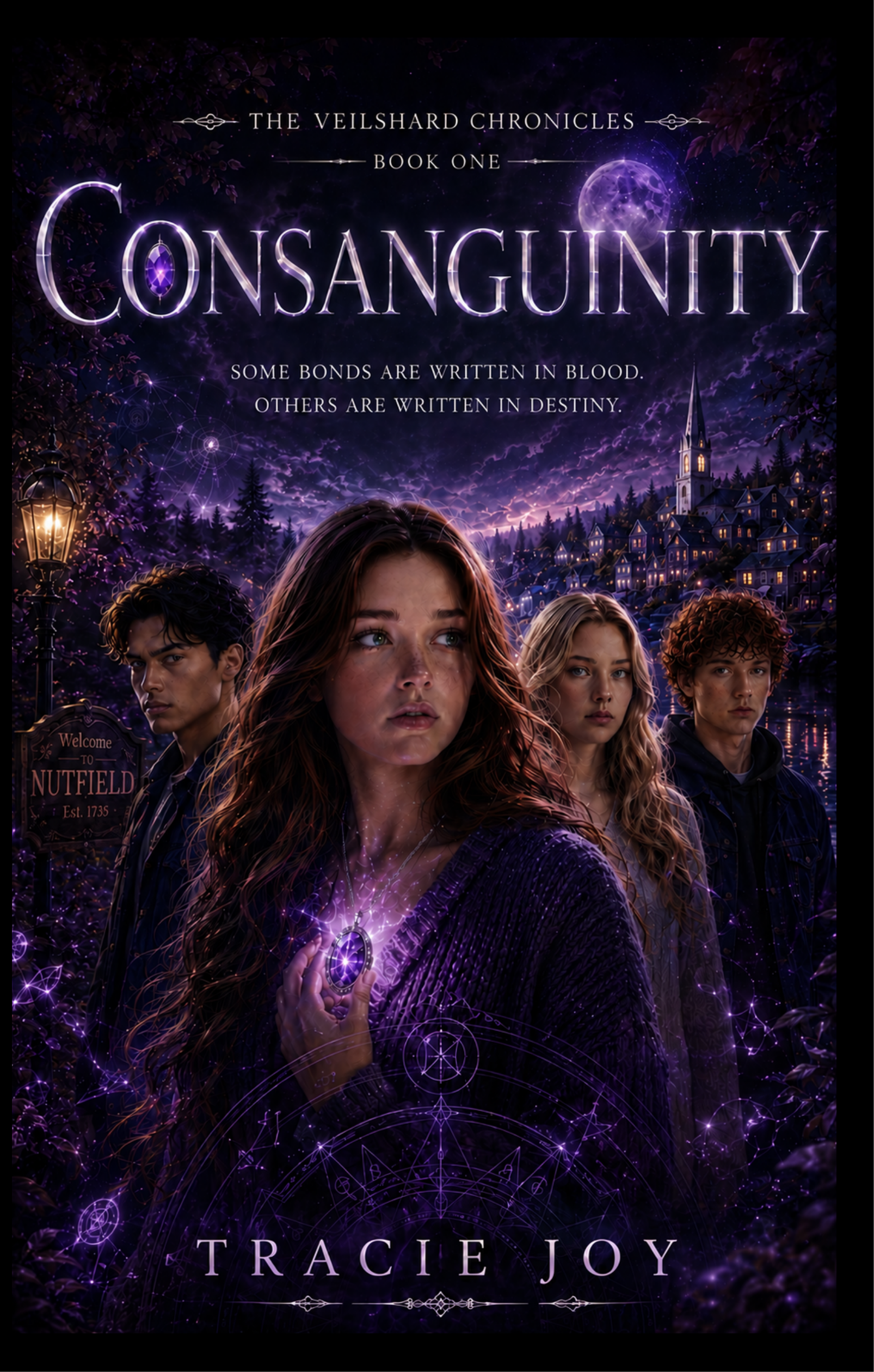
We need to talk about covers for a second.People absolutely judge books by them. Your cover is your first impression. It tells readers what kind of story they’re about to step into. A strong cover can draw someone in. A weak one can stop them from ever clicking. If you’re going the indie route, investing in quality cover design is one of the smartest moves you can make.
What About AI Cover Art?
Let’s talk about the elephant in the room: AI-generated cover art.
If you’ve spent any time in writing or publishing spaces lately, you’ve probably noticed one thing…people have opinions. Strong ones.
AI cover art is fast. It’s affordable. And for many indie authors, it feels like an accessible way to get a professional-looking design without a large upfront investment.
But it also comes with controversy.
Many readers and creators have raised concerns about originality, ethics, and the impact on human artists. Some feel strongly that AI-generated covers take opportunities away from designers who rely on that work. Discussions around AI and creativity continue to evolve, with platforms like Creative Bloq exploring both the benefits and concerns surrounding AI-generated art.
There’s also a practical side to consider. AI-generated images can sometimes create inconsistencies or visual issues that aren’t immediately obvious but can affect how polished your book appears.
So what should you do?
Like many things in writing and publishing, it comes down to your goals, your budget, and your values.
- If you’re just starting out and need a low-cost option, AI might be a stepping stone.
- If you’re building a long-term brand, investing in a human designer can help create a more consistent and marketable look.
There’s no single right answer. Just make sure whatever choice you make, it reflects the kind of author and creator you want to be.
So…How do you Know When Your Book is Done?
Your book is “done” in stages:
- First draft done: the story exists
- Editing done: the story works
- Publishing done: the story is ready for readers
Each stage matters. Each stage builds on the one before it.
But none of it happens if you never let yourself finish.
So if you’re sitting there wondering whether your draft is good enough to count…
It is.
Now take the next step.