Do Authors Need a Website? 7 Smart Reasons the Answer Is Yes
If you’re a writer wondering whether you really need an author website, you’re not alone. Plenty of authors assume websites are only for bestselling names with giant marketing teams and movie deals. Meanwhile, the rest of us are over here trying to finish drafts, answer emails, remember passwords, and locate the coffee we just set down five minutes  ago. Or if you’re me, you’re looking for the tea.
But here’s the truth: an author website is no longer a luxury. It’s one of the smartest tools a writer can have. Social media can help you get discovered, but your website is the place readers come when they want to know more, buy your books, join your email list, or decide whether you’re someone worth following.
If you’ve been asking yourself, do authors need a website, the short answer is yes. The better answer is why, and that’s where we’re headed today.
1. Social Media Is Borrowed Land
You don’t own your Facebook page, Instagram account, TikTok profile, or whatever shiny platform appears next week.  Algorithms change. Reach drops. Accounts get hacked. Trends shift faster than a toddler with a juice box.
Your website is the one online space you control. That matters. You choose the look, you choose the content. It’s your opportunity to customize to your heart’s content and make a space that is truly your own without worrying about parameters laid out by anybody else.
2. Readers Need One Place to Find Everything
If someone hears about your book, where do they go next? If the answer is “well… first they search Instagram, then maybe click a random bio link, then wander into the digital woods,” that’s not ideal.
Your website gives readers one clear place to find your books, updates, links, freebies, and contact information.
3. An Author Website Builds Credibility
People judge professionalism quickly online. Fair or not, a clean and updated website signals that you take your writing seriously. You don’t need anything flashy. You just need something real, organized, and easy to use. If you’re indie publishing, this matters even more. A professional site helps bridge the trust gap some readers still have. Social media is great, but you can build an author website and get your name out there consistently. You don’t have to keep posting and coming up with things to share like you do on social media.
4. Google Can Actually Find You
This is where an author website becomes powerful. Search traffic matters. Someone may search your name, your book title, your genre, or writing advice related to what you create. Without a website, you’re depending on third-party platforms to represent you.
With a website, you can build long-term visibility. If you use WordPress, tools like Rank Math SEO can also help optimize your content for search engines. And then one day you get an email that says google is starting to see your email in search results, and you dance around your classroom seeing. Oh wait, that was me. I did that!
5. You Can Grow an Email List
Email lists may not feel glamorous, but they’re one of the most valuable assets an author can build. Readers who join your list are raising their hands and saying, “Yes, tell me when you release something.” That’s gold. I’m going to be super honest here you kind of have to be diligent when it comes to your email list when you build it. Lots of spammy type of accounts sign up, which can start to cost you money depending on what email list platform you use. Unless you know lots of people named Xkjd9eeax Smith. In which case you can keep them on your email list. A simple sign up form on your author website is a great way to grow your mailing list.
Services like Mailchimp make it easy to start small and grow over time.
6. You Can Sell More Than Books
Books may be the main event, but many writers also sell journals, printables, courses, signed copies, bundles, or related  resources.Your website gives you room to grow beyond one sales channel. It can become your business hub, not just your book page.
If you’d like an example, you can see how I combine writing and resources in my own Words & Wonders shop. In it I have my books, teacher resources because hey, I’m a teacher, and my fan fiction. I’m also working on a section for the writing resources I’ve created. It’s slow going because I’m, you know, writing a book, but it will get done.
7. It Helps Future You
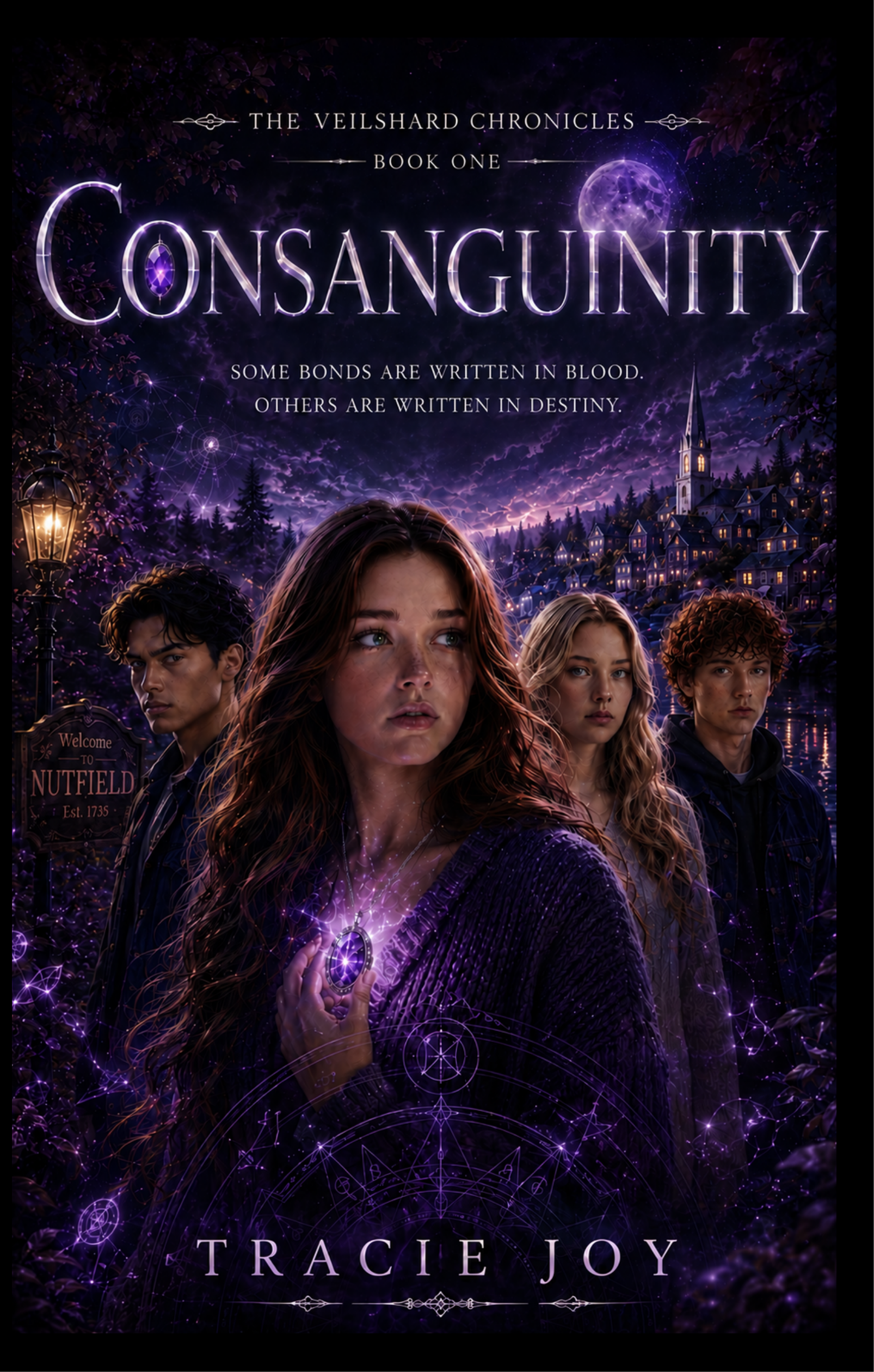
Maybe you only have one draft right now. Maybe you’re unpublished. Maybe you’re still figuring everything out. That’s fine. Starting now means future you won’t be scrambling later when a book launches, an opportunity appears, or someone says, “Where can I learn more about your work?” Plus you can put a blog on your author website like I do. For me, my blog is an invaluable resource. Even when I’m stuck writing Consanguinity, I can write a blog post and still feel like I’ve accomplished something.
What Every Author Website Needs
Keep it simple. You do not need twelve tabs and cinematic music.
- Homepage
- About page
- Books or projects page
- Contact page
- Email signup form
- Links to buy your books
- Optional blog or updates section
If you need help creating content regularly, visit my free writing resources page.
Final Thoughts: Do Authors Need a Website?
Yes. Not because you need to “look important.” You already are important, but because you need a home base.
Your author website works while you sleep. It introduces readers to your work, builds trust, collects subscribers, and helps people find you long after a social media post disappears. You don’t need fancy. You need functional. Start simple, improve as you go, and let it grow with your writing career. If this helped you, save it for later or share it with another writer who keeps saying they’ll build a site “someday.” And hey, if you have any questions, leave a comment, or drop me a line. I’m not a tech genius by any stretch of the imagination, or at all, but I’m more than happy to share what I’ve learned and mistakes that I made when I made my author website.