Revision Without Tears: The Three-Pass Revision Plan for Writers Who Dread Editing
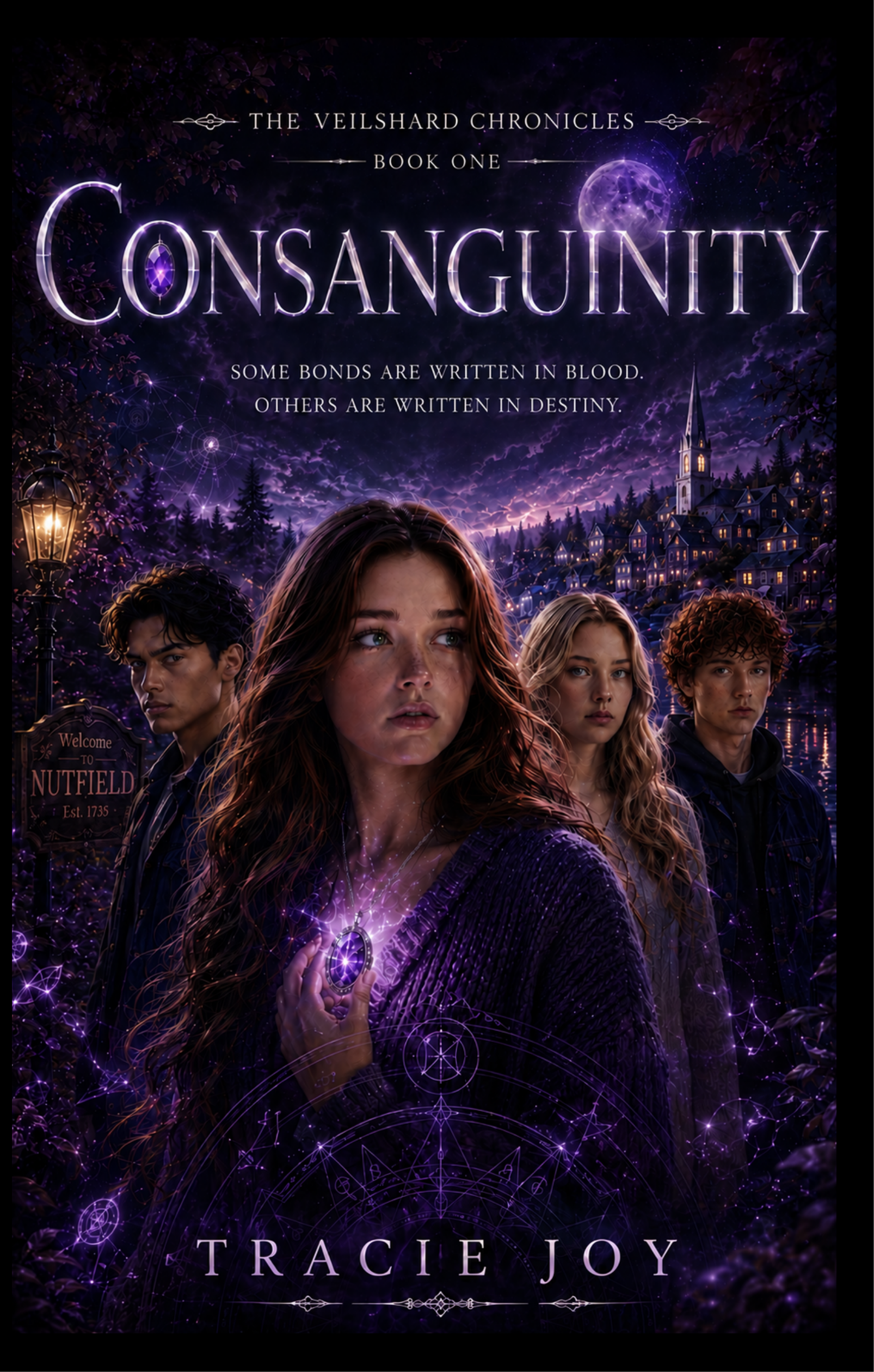
This week, I thought I’d do a little series on editing without tears, starting with the three-pass revision plan. Why am I doing a series on editing without dread and without tears? Because I just finished my YA Romantacy Consanguinity and I am in the editing process. When I typed The End, I was freaked at the thought of editing. Honestly, it scared the heck out of me, but after a little research I found a lot of great information. As I said, I’m starting with the three-pass revision plan because this is what I actually used for Consanguinity. They say write what you know – and I know this method worked for me! Now on to the blog post!
You did it. You finished a draft. Whether it’s 5,000 words, 50,000 words, or something in between, you have a completed manuscript sitting in front of you. That’s an accomplishment worth celebrating.
And then comes the part many writers dread:
Revision.
For some writers, editing feels overwhelming. For others, it feels endless. You open the manuscript intending to fix one scene, and two hours later you’re questioning every sentence you’ve ever written.
If that sounds familiar, you’re not alone. The good news is that revision doesn’t have to be painful. In fact, one of the biggest lessons I’ve learned while revising my own novel, Consanguinity, is that most revision stress comes from trying to fix everything at once.
We look at a draft and see plot problems, awkward dialogue, grammar mistakes, pacing issues, missing scenes, repeated words, and typos all at the same time. It’s enough to make any writer want to close the document and pretend it doesn’t exist.
That’s why I use what I call the Three-Pass Revision Plan.
Three-Pass Revision Plan
The three-pass revision plan is exactly what it sounds like. Instead of trying to tackle every problem at once, I focus on one layer of the manuscript at a time. Think of it like renovating a house. You don’t pick paint colors before fixing the foundation. Revision works the same way.
Professional editors often separate revision into different stages because each stage requires a different mindset and skill set. The Editorial Freelancers Association provides information about the various types of editing, including developmental editing, line editing, and proofreading, which can help writers better understand where each revision pass fits into the process.
Pass One: The Macro Pass
The first revision pass focuses on the big picture.
This is where you step back and look at the manuscript as a whole.

- Does the story make sense?
- Are there plot holes?
- Does the pacing work?
- Are any scenes missing?
- Are there scenes that don’t belong?
- Does the ending feel earned?
During the macro pass, don’t worry about grammar. Don’t worry about sentence structure. Don’t worry about whether a comma is in the right place. You’re looking at the bones of the story.
This is often the stage where the biggest changes happen. You might add scenes, delete scenes, rearrange chapters, or strengthen character arcs. It can feel messy, but that’s normal. You’re building a stronger foundation. I just completed this pass, and it was so exciting. When I finished my draft I was bummed because I thought my book was too short. Fun fact, it was. But when I did my macro pass, I expanded so many sections. Not with fluff. With content that I completely missed when I was writing because I was so focused on getting words down.
Pass Two: The Micro Pass
Once the structure is solid, it’s time to zoom in.
The micro pass focuses on the scene and paragraph level.

- Dialogue
- Description
- Word choice
- Character voice
- Scene transitions
- Repetition
This is the stage where you start asking questions like:
- Does this conversation sound natural?
- Am I repeating the same information?
- Can this paragraph be tighter?
- Is every scene doing meaningful work?
Many writers discover they can cut a surprising number of words during this pass without losing anything important.
The goal isn’t to make the manuscript shorter. The goal is to make every word earn its place.
Pass Three: The Polish Pass
The final pass is where you focus on the details.

- Grammar mistakes
- Spelling errors
- Punctuation issues
- Formatting inconsistencies
- Missing words
- Awkward sentences
This is the pass most writers want to start with. Ironically, it’s the pass that should come last. There’s little point in perfecting a paragraph if you’re going to delete the entire scene during the macro pass. By saving the polish work for the end, you avoid wasting time fixing sections that may not survive later revisions.
Why This Method Works
The Three-Pass Revision Plan works because it reduces decision fatigue.
Instead of asking yourself to be a developmental editor, line editor, proofreader, and grammar expert all at the same time, you give yourself one job. One focus. One layer of the manuscript. Revision becomes less overwhelming because you’re no longer trying to solve every problem in a single sitting.You’re simply taking the next step.
Revision Without Tears
The goal of revision isn’t perfection. The goal is progress. Every pass makes the manuscript a little stronger. Every revision helps the story become more fully itself. So if you’re staring at a finished draft and feeling intimidated by what comes next, take a breath and remember:
You don’t have to fix everything today.
You only have to decide which pass you’re working on.
The rest can wait.
In the next post in the Revision Without Tears series, we’ll look at how to cut 10% of your manuscript without losing your voice, your favorite scenes, or your sanity.