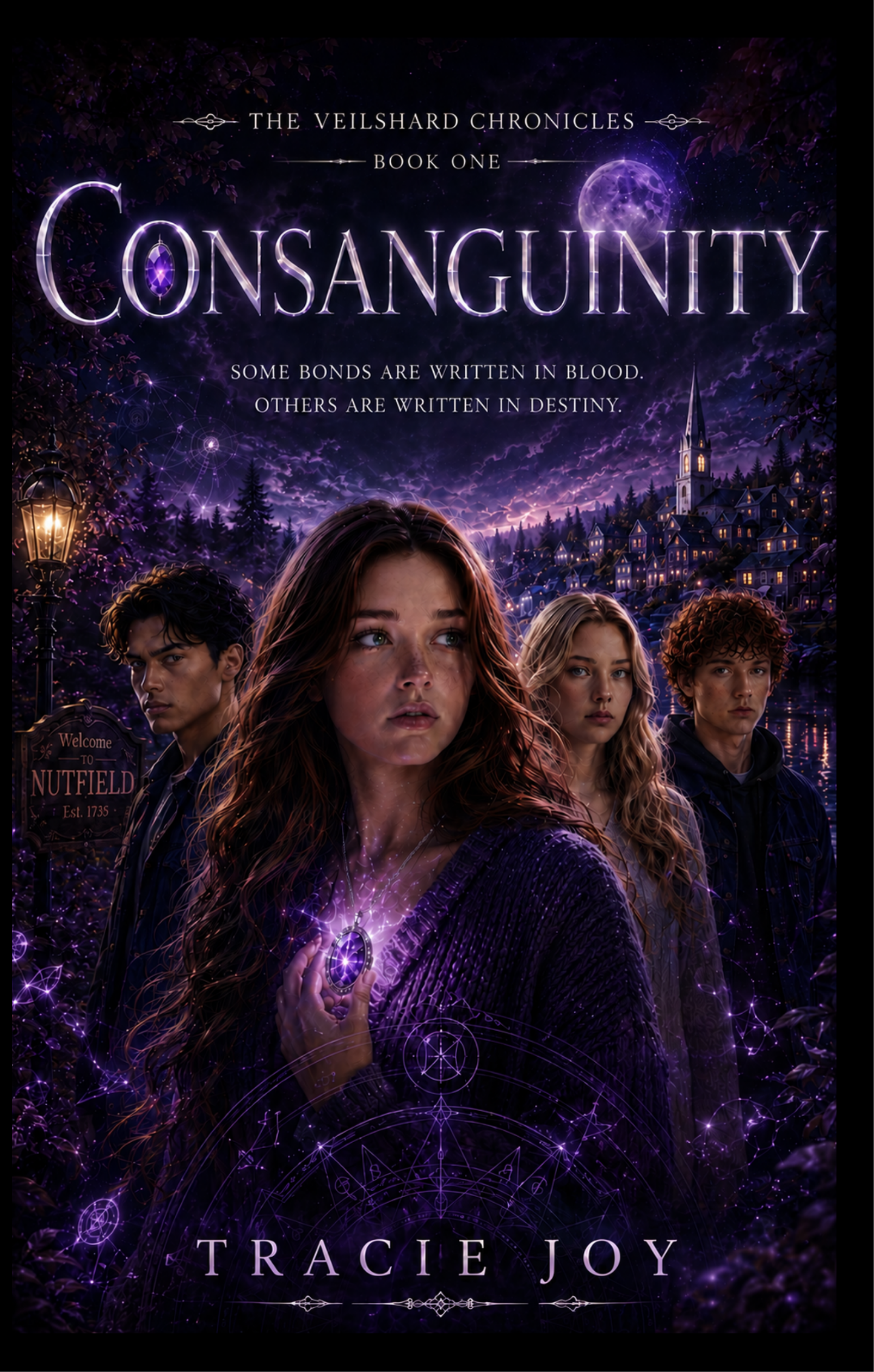
…and apparently, they all decide my book sales don’t meet their high standards..
There I was, minding my own business, probably avoiding writing Book Two, when my inbox decided to host an  impromptu convention of book marketing experts. Between 6:30 and 7:00 PM, three complete strangers contacted me. Three unsolicited book marketing emails. In thirty minutes. Apparently, my publishing career was in desperate need of professional intervention, and nobody thought to ask me first.
Now, I don’t know about you, but I find that kind of coincidence impressive. I can’t get three people to agree on where to go for dinner, but apparently three book marketing professionals can independently decide that my publishing career requires immediate intervention. And the best part? They all seemed convinced my book wasn’t selling as well as it should. According to whom? Based on what numbers? Excellent questions. Apparently, those details weren’t necessary for their diagnosis. How fortunate for me.
Contestant Number One: The Emotional Connection Expert
Our first contestant in the book marketing extravaganza arrived with a heartfelt message about the importance of connecting with readers. She understood my struggles. She understood my potential. She understood that my book deserved to reach the people who would love it. There was just one tiny problem. She thought my book was called Meet the Author. Yes. Meet the Author. As in, the heading on my website where readers can learn about the person who actually wrote the books. Apparently, in her quest to help me forge meaningful emotional connections with readers, she hadn’t quite managed to connect with the title of my novel. But don’t worry. She assured me that Meet the Author had tremendous potential. I’m sure it does. It’s a fascinating webpage. The protagonist is a middle-aged woman with too many projects, not enough hours in the day, and a complicated relationship with social media algorithms. Actually, now that I think about it, that might make a pretty good book.
Contestant Number Two: The Visibility Whisperer
Next up was someone who had apparently uncovered five reasons my book wasn’t getting the attention it deserved. Five! Not four. Not six.Because book marketing experts must include quantifiable data. Five specific obstacles standing  between me and literary greatness. And, conveniently, there was a special worksheet or assessment involved.
Now, I love a good worksheet. I’m a teacher. Worksheets are practically part of my DNA. But I have to admire someone who can diagnose five separate marketing problems without ever having a conversation with the author. That’s talent.
I spend hours looking at my website analytics, Amazon reports, social media engagement, and advertising results. Apparently, I’ve been doing this all wrong. I should have been waiting for a stranger with a worksheet. Silly me.
Contestant Number Three: The BookTok Fairy Godmother
And then, just when I thought the evening couldn’t get any more magical, along came our third contestant. This person had approximately 3,000 followers and an exciting opportunity to introduce my book to them.
Now, let me be clear. Three thousand followers is nothing to sneeze at. Building an audience takes work, and I respect anyone who has done it. But an unsolicited offer to promote my book to an audience I know nothing about raises a few questions. Do these followers read young adult fantasy? Do they enjoy supernatural mysteries? Are they interested in stories about teenagers discovering extraordinary abilities? Or are they mostly there for videos of cats knocking things off countertops? Because, frankly, I understand the appeal of the cats.
And while the opportunity sounded positively enchanting, the price remained a mystery. Perhaps that’s part of the magic. Bibbidi-bobbidi-book sales!
The Reality of Unsolicited Book Marketing Emails
Here’s the thing. I’m an indie author. I’m also a teacher, a graduate student, a mother, a blogger, and a person who occasionally remembers that laundry exists.
 I wrote a book. I published it. I built a website. I created social media accounts. I’ve experimented with advertising, contacted bookstores and libraries, sent out review copies, and spent more hours than I care to admit trying to understand algorithms that seem to change their minds more often than teenagers.
Some things have worked. Some things have spectacularly not worked. And some things have received 37 views despite my being absolutely convinced they were brilliant. Such is the glamorous life of an independent author.
My book is selling. Would I love to sell more copies? Of course! I don’t know many authors who wouldn’t. But I’m also proud of every single copy that finds its way into a reader’s hands.
What I don’t need is a parade of strangers appearing in my inbox to announce that they’ve discovered the secret to my success. Especially when they haven’t demonstrated the slightest familiarity with what I’ve actually written.
And if you’ve been following my adventures in independent publishing, you know this isn’t my first encounter with unsolicited offers. I’ve already written about the strange messages that turn an author’s inbox into a scam magnet and the fascinating world of publishing pitches that eventually come with an invoice. Apparently, my inbox has decided this should be a recurring series. I wonder if Netflix is interested.
The Grand Finale
I understand that people are trying to make a living. Marketing is a business, and there are undoubtedly talented professionals who genuinely help authors reach readers. But there’s something wonderfully absurd about receiving three unsolicited offers in half an hour, each suggesting that the sender possesses some special insight into my  publishing career.
And I’m not suggesting that any of these three people are scammers. I don’t know that. But the sheer number of unsolicited pitches aimed at indie authors is worth talking about. Even the New Hampshire Writers’ Project has published guidance about recognizing questionable author marketing opportunities. Apparently, navigating the publishing industry now requires equal parts creativity, business sense, and the investigative skills of Sherlock Holmes. I just wanted to write books, people.
Maybe these three experts really do have brilliant strategies, extraordinary connections, and a magical ability to persuade Amazon’s algorithm to acknowledge my existence. Or maybe I’m just another name on a very long mailing list.
Either way, I’ve decided to award all three contestants a lovely parting gift. It’s called the Delete Key. No subscription required. No proprietary worksheet. No mysterious promotional package. Just one satisfying click. At this point, unsolicited book marketing emails have become an unexpected part of my indie author experience. I publish a book, someone discovers my email address, and suddenly I’m being offered solutions to problems I didn’t know I had. It’s rather like having someone knock on your door to tell you your house needs painting when they’ve never actually seen your house.
And to the three marketing experts who descended upon my inbox that evening: Thank you for your concern. But if you really want to help an indie author, here’s a radical suggestion. Read the book. You might even enjoy it.