How to Balance Dialogue and Description Without Slowing Your Story
Ever read back your scene and realize your characters have been talking for three pages… in a white void? No setting. No movement. No grounding. Just voices floating around like a very intense podcast.
 Yeah. Same.
Learning how to balance dialogue and description is one of those writing skills that sounds simple… until you’re deep in a draft wondering why your scene feels off. Too much dialogue and your story loses depth. Too much description and suddenly your pacing hits quicksand.
So how do you fix it without rewriting your entire manuscript or losing your mind?
Why Dialogue-Heavy Scenes Feel “Off”
Dialogue is fun. It’s fast. It feels productive when you’re drafting because the words fly.
But when dialogue dominates, you end up with:
- “Floating head syndrome” where characters exist in a blank space
- No sense of movement or environment
- Emotional moments that don’t fully land
Your characters might be saying all the right things, but the scene itself feels… thin.
If you’ve ever hit that moment and thought, “Why does this feel like a script instead of a story?” — you’re not alone.
In fact, many writing guides emphasize the importance of grounding dialogue in action and setting to avoid what’s often called “talking heads.” Resources like this guide to writing dialogue break down how professional writers keep conversations engaging and anchored in the scene.
Why Too Much Description Slows Everything Down
Now let’s swing the pendulum the other way.
Overloading your scene with description can turn a simple moment into a full-on furniture catalog.
We’re talking:
- Paragraphs of setting before anything happens
- Details that don’t impact the scene
- Pacing that makes readers start skimming
Description should support your story, not stall it.
If your reader forgets what the characters were even doing, it’s time to pull back.
The Sweet Spot: Blending Dialogue and Description
The goal isn’t to “add more description.” It’s to blend it into the action so your scene feels alive without slowing down.
This approach aligns with classic “show, don’t tell” techniques, where description is woven into character action rather than separated from it. If you want a deeper breakdown, this explanation of show vs. tell offers practical examples you can apply right away.
Instead of separating dialogue and description, think of them as working together.
For example:
Too much dialogue:
“Are you coming?” he asked.
“I don’t know.”
“You said you would.”
“I changed my mind.”
Balanced version:
“Are you coming?” he asked, leaning against the doorway.
She kept her eyes on the counter. “I don’t know.”
“You said you would.”
“I changed my mind.” Her fingers tightened around the edge of the sink.
Same conversation. Completely different impact.
Now we can see the space, the tension, the body language. The scene breathes.
Simple Ways to Fix Imbalance in Your Draft
If you’re drafting (especially if you’re in that “no editing, just writing” phase), don’t panic. You don’t need to rewrite everything.
Try this instead:
- Add movement: What are your characters doing while they talk?
- Anchor the scene: Where are they? What’s around them that matters?
- Layer emotion through action: Show tension in gestures, not just words
- Trim the excess: If a description doesn’t serve the moment, cut it
Small tweaks. Big difference. And above all don’t freak out and think I have to go back and redo everything now. You don’t. That’s what editing is for.
My Own Struggles with Dialogue and Description
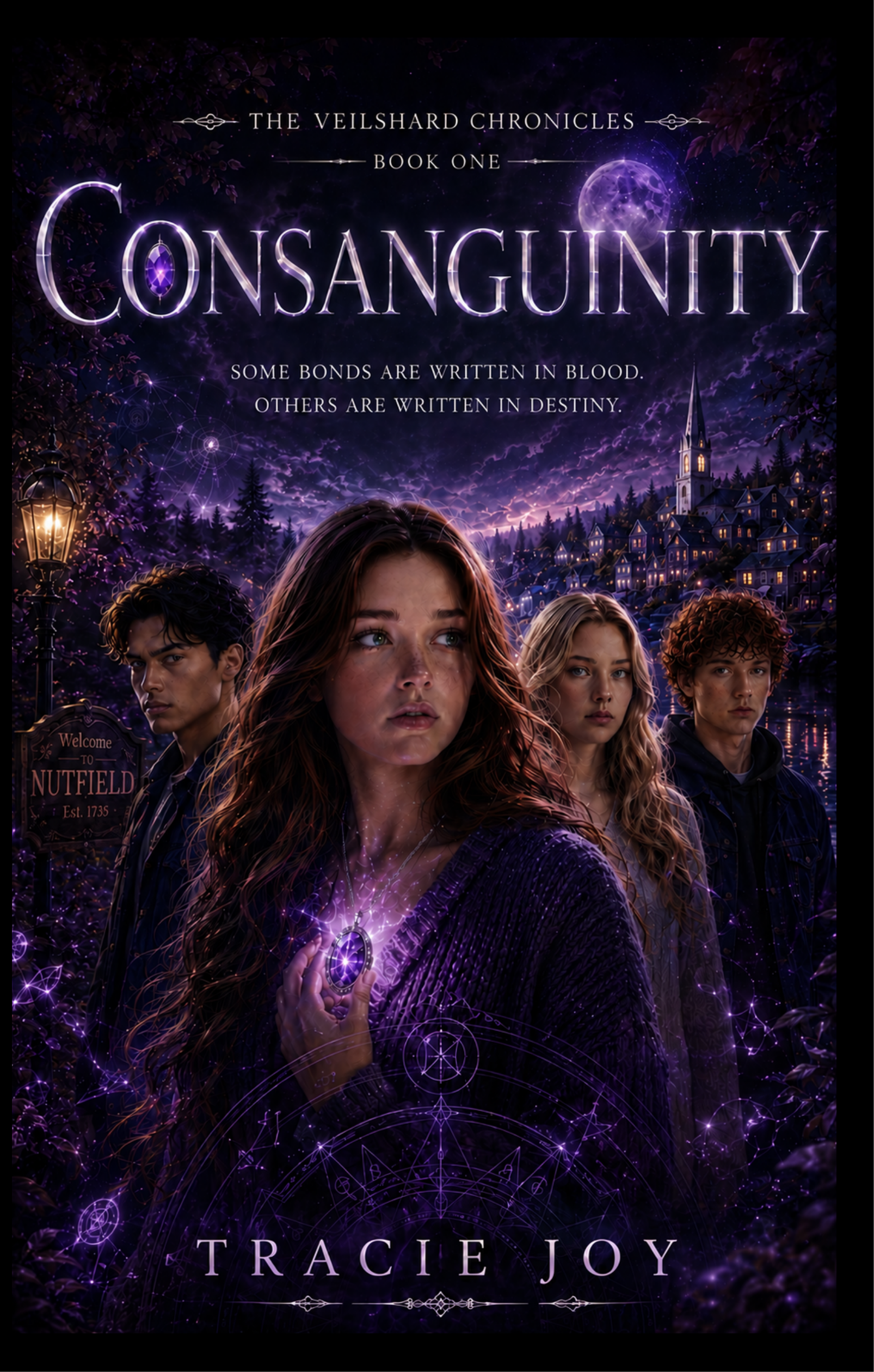
This is something I struggle with. This is partly because I am pretty decent at writing dialogue. People who have looked at excerpts of Consanguinity have mentioned how strong my dialogue is. How it sounds realistic, and like real conversations teenagers would have. Probably because I’m surrounded by teenagers all day long, and those guys never shut up! I hear how they speak, I’m familiar with their speech patterns. I still don’t understand the whole 6-7 thing, but do I want to?
While my dialogue game me be on point, my description game is lacking in m mind. Dialogue drives the story, and I want my story to move. Trying to find the balance between dialogue and description is a challenge, but I’m working on it.
If This Feels Familiar, You’re Doing It Right
Here’s the part no one talks about enough. This imbalance usually shows up when you’re actually making progress.
You’re getting the scene down. You’re letting your characters speak. You’re building momentum.
The polish comes later.
If you’re noticing that your dialogue is a little too heavy or your description needs work, that’s not failure. That’s awareness. And awareness is what turns drafts into stories readers can’t put down.
If this helped you, you might also like:
Tracking Your Writing Progress Without Losing Motivation
Final Thought on How to Balance Dialogue and Description
You don’t need perfect balance on the first draft. You just need enough awareness to come back and shape it later.
 So let your characters talk. Let the scene be messy. Then, when you revise, give it depth. Talk about the wind whistling through the eaves, or the gentle rain falling in stripes down the beveled glass. That’s where the magic happens.
And trust me, your readers will feel the difference.