The Breadcrumb Method for Writing Without a Full Outline
Some writers know their ending immediately. They can see the entire structure of the story from Chapter One to the final line like a perfectly unfolded roadmap.
 And then there are the rest of us.
The writers who know the feeling of the story before the plot. The writers who collect emotional moments, vivid images, pieces of dialogue, relationship dynamics, and scenes that arrive completely out of order like tiny cinematic postcards from a future book.
If that sounds familiar, welcome. You are among friends here. Because you do not necessarily need a full outline to write a strong story. Sometimes you just need breadcrumbs.
If you missed the beginning of this cozy little plotting adventure, you can start here with Plotting Without Losing Your Mind, where I talk about gentle structure for intuitive writers who want direction without creative suffocation.
What Is the Breadcrumb Method?
The breadcrumb method for writing is exactly what it sounds like. Instead of mapping every scene, chapter, and twist  before you begin, you leave yourself small meaningful markers to follow as you write.
Not a blueprint.
A trail.
Think of it like walking through fog with a lantern. You do not need to see the entire journey. You only need to see far enough to reach the next landmark. That is the heart of this method. You are not outlining the whole path. You are creating direction without rigidity.
If you are curious about the difference between plotting styles, MasterClass also has a solid overview of plotters vs. pantsers and why different writers thrive under different creative systems.
The Three Types of Breadcrumbs
When I use the breadcrumb method, I usually work with three different kinds of story breadcrumbs:
- Emotional Breadcrumbs
- Event Breadcrumbs
- Image Breadcrumbs
Together, they create a loose constellation for the story instead of a strict set of instructions.
Emotional Breadcrumbs
These are moments where the character experiences an emotional shift that matters. Not necessarily plot twists. Emotional truths.
Examples:
- She realizes she has been lying to herself.
- He chooses loyalty over safety.
- They finally admit the truth they have been avoiding.
- The protagonist forgives someone they thought they never could.
- A character realizes they are becoming the very thing they feared.
These breadcrumbs guide the internal arc of the story.
And honestly? A lot of intuitive writers naturally think this way already. We often know how we want readers to feel long before we know every plot beat.
Event Breadcrumbs
These are concrete story events you know will eventually happen, even if you do not know exactly when yet.
Examples:
- The mentor betrays them.
- The map gets destroyed.
- The couple has their first real fight.
- The portal finally opens.
- The secret comes out at the worst possible moment.
These breadcrumbs help create forward momentum and external conflict. You are not worrying about every transition scene yet. You are simply identifying major landmarks the story is moving toward.
Image Breadcrumbs
This might be my favorite category because writers are often deeply visual creatures. Sometimes the subconscious understands the story before logic catches up.
Examples:
- A confrontation in the rain.
- A quiet rooftop at dawn.
- A broken necklace on the floor.
- An empty chair at breakfast.
- Blood on snow.
- A lantern glowing in the woods.
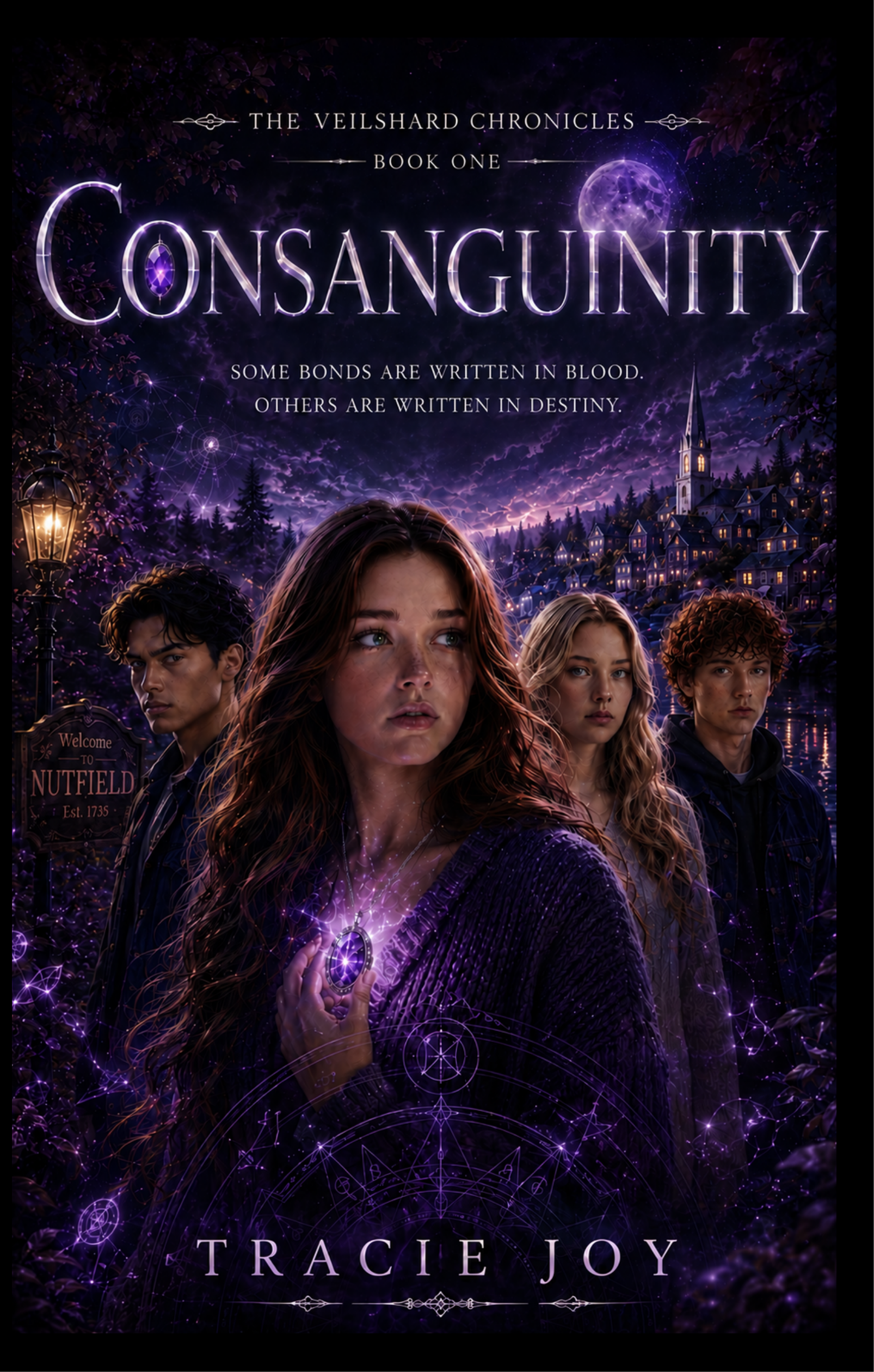
These images carry emotional tone, symbolism, and atmosphere. And very often, they end up becoming some of the strongest scenes in the entire book. When I started writing Consanguinity, I struggled at first with my main characters. They weren’t concrete to me, no matter how much work I did on character development. Then I developed images of them and they just came alive for me.
Why the Breadcrumb Method Works
The breadcrumb method works because it creates structure without crushing discovery. Instead of demanding that  your creative brain produce an entire finished blueprint immediately, it gives your story room to breathe and evolve. It also reduces overwhelm dramatically. You do not have to solve the entire novel today. You only need to move toward the next meaningful landmark.
This method helps:
- maintain momentum
- reduce creative paralysis
- preserve spontaneity
- strengthen emotional arcs
- create flexibility when stories evolve
Because stories do evolve. Characters surprise us. Relationships deepen. Entire subplots appear out of nowhere demanding snacks and emotional attention.
A rigid outline can sometimes make writers feel trapped when the story naturally changes. Breadcrumbs adapt.
How to Try the Breadcrumb Method Today
Open a notebook, document, or random collection of sticky notes currently living beside your keyboard.
Then write down:
- 3 emotional breadcrumbs
- 3 event breadcrumbs
- 3 image breadcrumbs
That is it. Not fifty scenes. Not a twelve-page outline. Not an aggressively color-coded spreadsheet that immediately drains your will to live. Just landmarks. That is enough to begin moving forward.
A Free Resource for Writers
If gentle structure and intuitive plotting sound like your kind of chaos, you can explore my growing collection of free writing tools here:
You can download resources individually whenever you need them, or join my mailing list to get the complete guide along with updates whenever new writing thingys are added.
Because apparently my teacher brain cannot stop turning brainstorming sessions into resources.
You Only Need the Next Breadcrumb
I think one of the biggest lies writers tell themselves is that they must understand the entire story before they are allowed to begin.But stories are not always built in straight lines. Sometimes they are discovered gradually, by lantern light, one breadcrumb at a time. You do not need the entire map. You only need the next meaningful landmark.