The Emotional Cost of Writing a Painful Scene
Writing emotional scenes is one of the most rewarding parts of storytelling, but it can also be one of the most exhausting. Readers may spend a few minutes experiencing a difficult moment in a story. Writers can spend days,  weeks, or even months living inside that same scene.
When people think about painful scenes, they often imagine dramatic moments such as deaths, betrayals, or heartbreaking goodbyes. Those scenes can certainly take an emotional toll. However, some of the hardest scenes I have written were not dramatic at all.
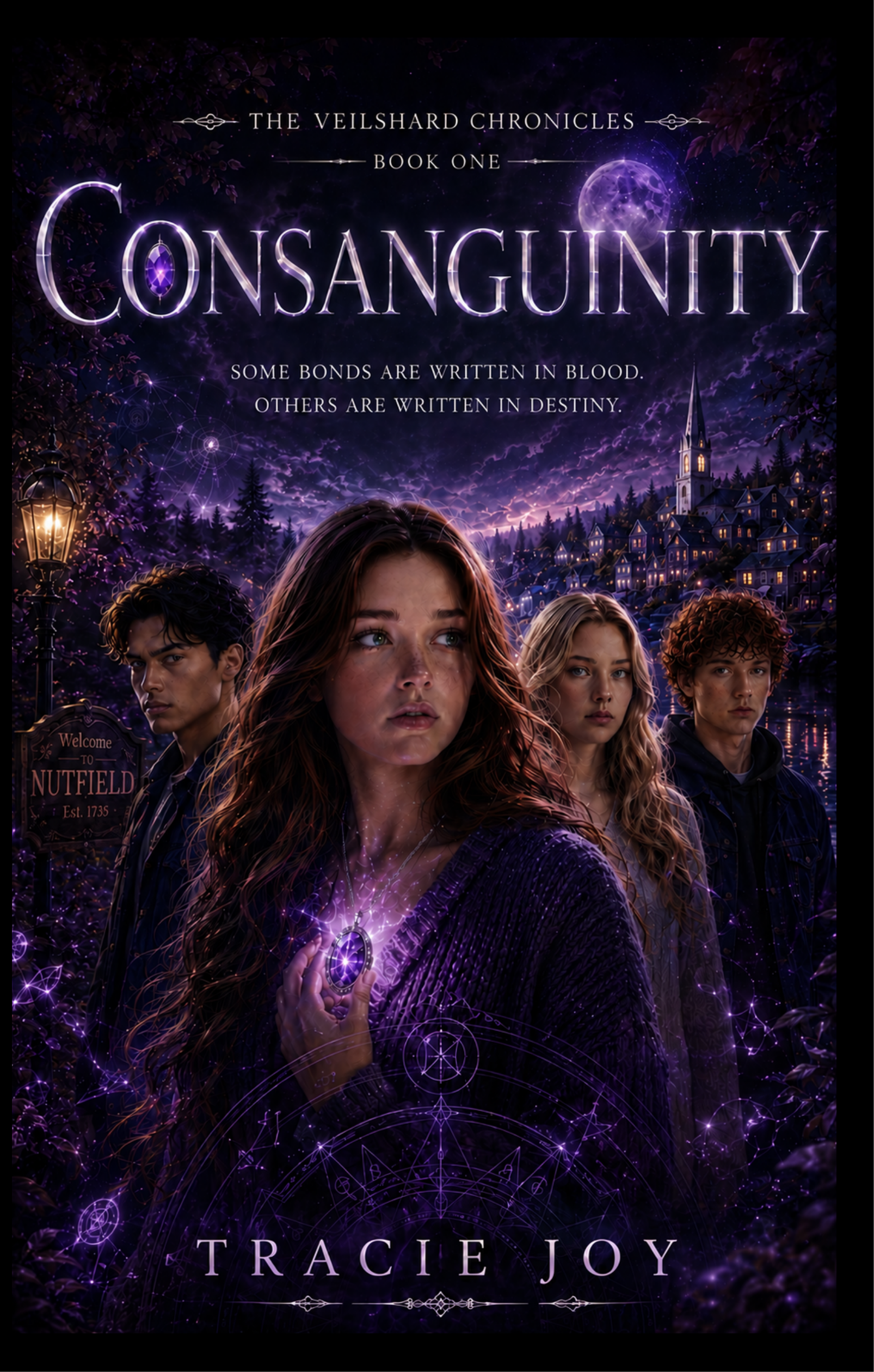
Recently, while working on Consanguinity, I realized that some of the scenes affecting me most were not the supernatural mysteries, the strange powers, or the dangerous moments waiting in the wings. They were the little, everyday struggles that we all face. The ones you can look at and say “oh yeah, I get that. I’ve felt that.”
Sometimes the most painful scenes are the quiet ones.
Painful Does Not Always Mean Tragic
As writers, we often associate emotional scenes with major events. A character loses someone they love. A relationship falls apart. A long-held dream slips away. But emotional pain can be much smaller and much more personal.
 Aisling spends much of the story struggling with the fear that she does not quite belong. She is the new kid. She is trying to find her place. She is worried about fitting in, making friends, and figuring out where she belongs in a world that suddenly feels unfamiliar.
Nothing explodes. Nobody dies. There are no dramatic speeches.
Yet those scenes can be surprisingly difficult to write because they touch on emotions many of us have experienced ourselves. I don’t think there is anybody in this world that hasn’t felt this way at one point or another.
Most people know what it feels like to walk into a room and wonder if they belong there. Most people know what it feels like to be afraid of rejection. Most people know what it feels like to feel different.
Those emotions may be quiet, but they are powerful, and that’s what makes them so hard to write. You’re facing something that caused you pain at some point in your life, and writing those scenes can bring all that pain to the forefront.
Why Writing Emotional Scenes Can Be So Draining
Good writing is not just about describing emotions. It is about understanding them well enough to make them feel authentic on the page. That often means spending time inside emotions that are not particularly comfortable.
When writing emotional scenes, many authors draw on memories, experiences, fears, hopes, and insecurities from their  own lives. The details may be fictional, but the emotional truth is often very real. That is why a writing session can sometimes leave you feeling mentally exhausted. You have spent an hour, two hours, or even an entire afternoon sitting inside a difficult emotional space. The scene may end when you close your laptop, but the feelings do not always disappear quite so quickly.
Writers looking to strengthen emotional authenticity may find resources such as The Emotion Thesaurus by Angela Ackerman and Becca Puglisi particularly helpful for exploring how emotions manifest through thoughts, body language, and behavior.
The Reader Experiences It Once. The Writer Experiences It Repeatedly.
One of the strange realities of writing is that readers experience a scene once. Writers experience it over and over again. We draft the scene. Then we revise it. Then we edit it. Then we reread it. Then we make one more change because we think we can make it stronger.
By the time a book reaches readers, the author may have lived inside that moment dozens of times. A reader might cry over a scene for ten minutes. A writer may have carried that scene around for weeks.
Why Vulnerability Matters
The scenes that affect readers most are often not the biggest scenes in a story. They are the moments when a character reveals something vulnerable. A fear. An insecurity. A secret. A hope they are afraid to admit out loud.
Those moments are what make characters feel real. They are also often the moments that require the most emotional honesty from the writer.
If you have ever wondered why readers become attached to fictional characters, you might enjoy my post on why readers fall in love with fictional people.
The Emotional Cost Is Worth It
Writing emotional scenes can be uncomfortable. Sometimes it can be exhausting. But it is also where some of the most  meaningful storytelling happens. Those quiet moments of fear, loneliness, hope, and vulnerability help transform characters from names on a page into people readers genuinely care about.
The emotional cost of writing a painful scene is real. Yet when readers connect with those moments and see a piece of themselves in a character, it is also one of the most rewarding parts of being a writer. And in the end, those are often the scenes readers remember long after they finish the book.