How to Trust Your Writing Instincts When You Don’t Know the Ending
Trust Your Writing Instincts
What is a writing instinct? To me, it’s that thing that makes you keep going even when you don’t have a plan. Especially when you don’t have a plan. For me, that’s pretty much all the time.
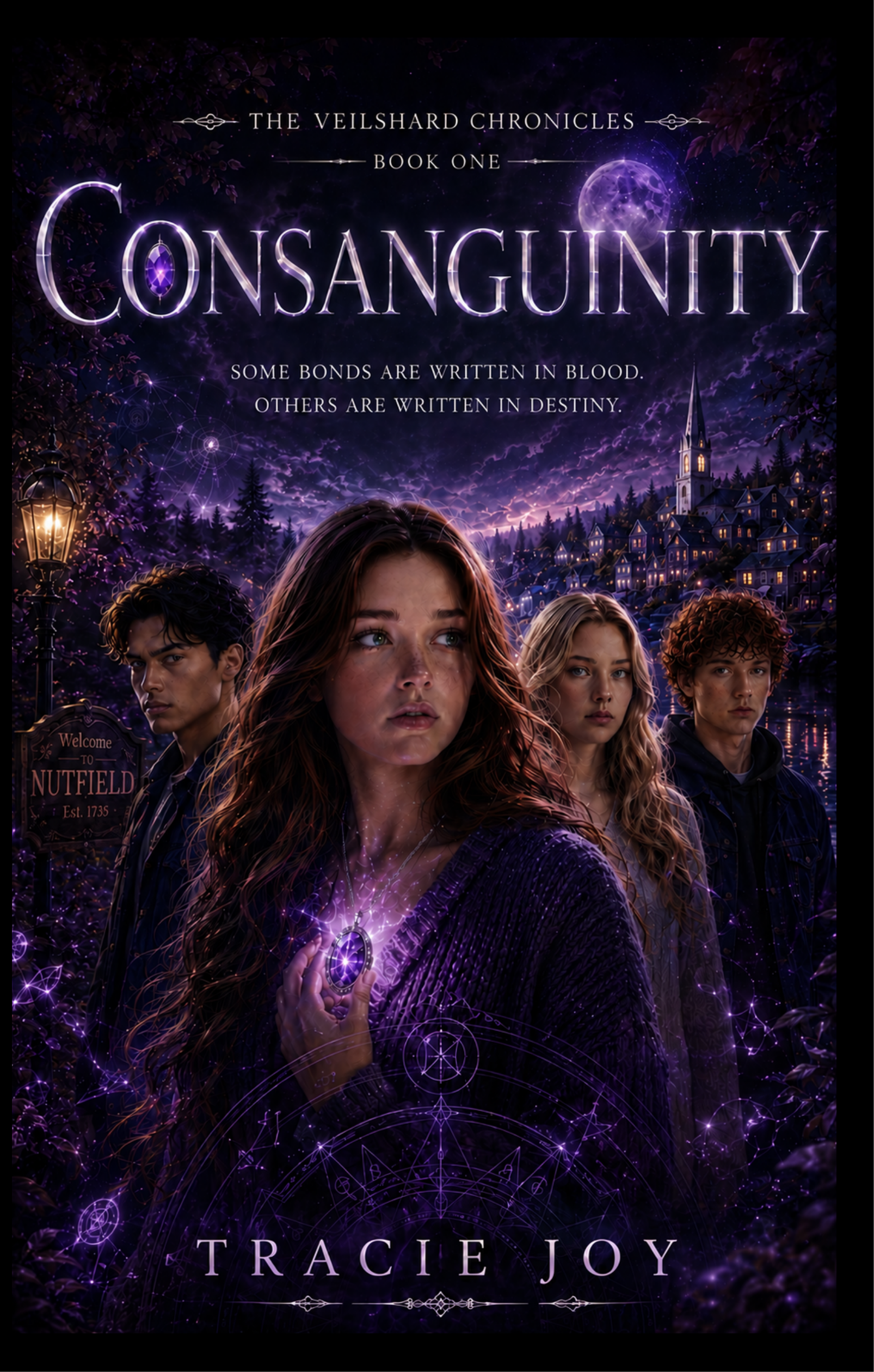
 When I started writing Consanguinity, I had no clue how it was going to go. All I knew was that my main character, Aisling, felt like she never fit in. That was it. Now I have what I think is an amazing YA romantasy that I’m about a third of the way through editing. Whether future readers agree remains to be seen, but I certainly didn’t know any of it was coming when I started writing.
One of the most common questions new writers ask is, “How can I write a story if I don’t know how it ends?”
The honest answer? You write it anyway. That probably sounds terrifying if you’re the type of person who likes certainty. We want guarantees. We want to know that all our effort is leading somewhere. We want proof that the story will work before we invest weeks or months writing it.
Unfortunately, stories don’t always cooperate. Sometimes the ending appears before the beginning. Sometimes the entire plot arrives fully formed. But often, especially for intuitive writers, the story reveals itself one scene at a time.
You don’t discover the ending before you write the story. You discover the ending by writing the story.
Stories Have a Way of Teaching You What They Need
When I started writing my current novel, I knew the basic premise. I knew who my main character was. I knew a few  important scenes that I wanted to include. What I didn’t know was how any of those pieces fit together. As I wrote, the characters began making decisions I hadn’t anticipated. Relationships developed naturally. Conflicts emerged that weren’t part of my original idea. Random characters showed up and started playing major roles. Sometimes I wonder who’s in charge of this story, because it certainly isn’t me.
At first, I worried I was doing something wrong. Now I recognize it as part of the process. Stories are living things. The version that exists in your imagination is often only a rough sketch of what eventually appears on the page. If you’re paying attention, your story will frequently show you possibilities you couldn’t have planned in advance.
Trust the Scene You’re Writing Today
One mistake many writers make is obsessing over the ending before they’ve written the middle. They stare at Chapter  Three worrying about Chapter Thirty. They spend more time trying to predict future scenes than they spend writing the current one.
Instead, focus on the scene directly in front of you. What does your character want right now? What obstacle stands in their way? What choice do they make next? Answer those questions honestly, and the story will continue moving forward. You don’t need to know every destination before taking the next step.
Curiosity Is More Powerful Than Certainty
When writers talk about inspiration, they often describe moments of excitement and discovery. That excitement comes  from curiosity. What happens if these two characters meet? What happens if this secret comes out? What happens if my protagonist makes the wrong choice?
Those questions create momentum. If you already know every answer, some of that sense of discovery disappears. Writing becomes less about exploration and more about transcription.
There is nothing wrong with detailed outlining, but for intuitive writers, curiosity is often the fuel that keeps a project alive.
The Ending Will Arrive
This may be the hardest part to believe when you’re in the middle of a draft. You’ll have days where the story feels directionless. You’ll wonder whether you’re wasting your time. You’ll become convinced that every other writer knows exactly what they’re doing. Most of them don’t. At least I don’t! They’re simply trusting the process enough to keep going.
The ending usually arrives after you’ve spent enough time with the characters to understand what their journey is really about. What feels invisible at ten thousand words often becomes obvious at fifty thousand.
Keep Following the Compass
In a previous post, The Compass, Not a Map Approach to First Drafts, I talked about writing with a compass instead of a map.
Trusting your instincts is part of that same philosophy. A compass doesn’t tell you every turn in the road. It simply points you in a direction. Your job isn’t to know everything. Your job is to keep moving.
Write the next scene. Trust the next idea. Follow the thread that makes you curious.
If you’re looking for another excellent perspective on embracing uncertainty in the writing process, Anne Lamott’s Bird by Bird remains one of the most beloved books on writing for a reason.
The ending is waiting for you. You just haven’t reached it yet.