The Compass, Not a Map: A Different Approach to Writing First Drafts
For writers who don’t thrive on rigid systems.
One of the most common pieces of advice about writing first drafts is that you should know exactly where your story is going before you begin. Create an outline. Map every chapter. Plan every character arc. Identify every plot point. Build a scene list. For some writers, that’s fantastic advice.
 For others, it’s a fast track to staring at a blinking cursor and wondering why writing suddenly feels like assembling furniture from a 300-page instruction manual. Or worse, one of those instruction booklets that are all pictures and none of those pictures look like any of the pieces you have.
The truth is that not every writer creates in the same way. Some writers need a detailed roadmap before they begin. Others need a vague sense of direction, a cup of tea, and a concerning amount of optimism.
Some writers discover the story as they travel through it. Neither approach is wrong. Neither approach is superior. They’re simply different ways of reaching the same destination.
I’ve come to think of my own process as writing with a compass instead of a map. I know the general direction I’m heading. I know a few landmarks I want to reach. I know the emotional destination I want readers to experience.
The exact route? Not so much. That gets discovered one scene at a time. And that is what makes writing first drafts so much fun for me. I have no clue what’s going to happen other than “And they all lived happily ever after.”
Not Every Writer Needs a Detailed Outline
The writing community often divides authors into two camps: plotters and pantsers. Plotters create detailed outlines before drafting. They know where major events occur, how character arcs unfold, and often how the story ends before they write the first chapter.
Pantsers, a term that comes from “writing by the seat of your pants,” tend to discover the story while drafting. Unfortunately, discussions about these approaches sometimes become oddly competitive. Plotters may view discovery writing as inefficient. Discovery writers may view outlining as restrictive.
The reality is much less dramatic. Different brains solve creative problems differently. Some writers gain confidence from structure. Others gain confidence from exploration.
The mistake happens when we assume the method that works for one writer should work for everyone. If detailed outlines energize you, use them. If they make you want to organize your spice rack instead of writing your novel, it may be time to consider a different approach.
What a Story Compass Looks Like
For many authors, writing first drafts with a compass instead of a map creates more freedom, creativity, and momentum. When I begin a project, I rarely know every detail.
I usually know a few key things:
- Who my main character is
- What central conflict they face
- Several scenes I’m excited to write
- The emotional journey I want readers to experience
- A rough sense of how the story should feel
That’s my compass.
It points me in the right direction without telling me every turn I need to take. Think about a road trip. A map tells you  exactly which roads to take, where to stop, and how long every leg of the journey should be. A compass simply points north. You still have to explore. You still have to make choices. You still discover things along the way.
For many intuitive writers, that’s where the magic happens. A side character suddenly becomes important. A conversation reveals something unexpected. A scene unfolds differently than planned and ends up stronger because of it. Those discoveries aren’t mistakes. They’re part of the creative process.
When Too Much Planning Becomes a Problem
Planning isn’t the enemy. Over-planning can be. Some writers spend months outlining every chapter, developing every character, and solving every plot problem before they write a single page. Again, if that works for you, wonderful.
But for intuitive writers, excessive planning can sometimes drain the excitement out of the project. The mystery disappears. The sense of discovery vanishes. The story starts feeling less like an adventure and more like data entry.
I’ve experienced this firsthand. There have been times when I’ve become so focused on figuring everything out beforehand that I lost the enthusiasm that made me want to write the story in the first place.
Instead of wondering what would happen next, I already knew. Instead of exploring, I was executing a plan. For some writers, that’s satisfying. For others, it’s creatively exhausting. A detailed outline can create confidence. It can also create a cage. The challenge is recognizing which effect it has on you.
Learning to Trust the Process
Writing with a compass requires something many writers find uncomfortable: trust.
Trust that you don’t need all the answers today. Trust that not every problem must be solved before Chapter One. Trust that your subconscious is often working on story problems when you don’t even realize it.
Sometimes the best thing you can do is keep writing until you reach the finish line. That’s a lesson I learned firsthand when I finally typed The End on my latest manuscript.
This doesn’t mean writing without direction. It means accepting that uncertainty is part of creativity. Some of the best moments in a first draft happen when a story surprises its own author.
A character says something unexpected. A relationship develops naturally. A plot twist appears that you never planned. These moments often feel less like creating and more like discovering. And while that sounds strange to anyone who has never experienced it, many writers know exactly what I’m talking about. The story begins to reveal itself one piece at a time.
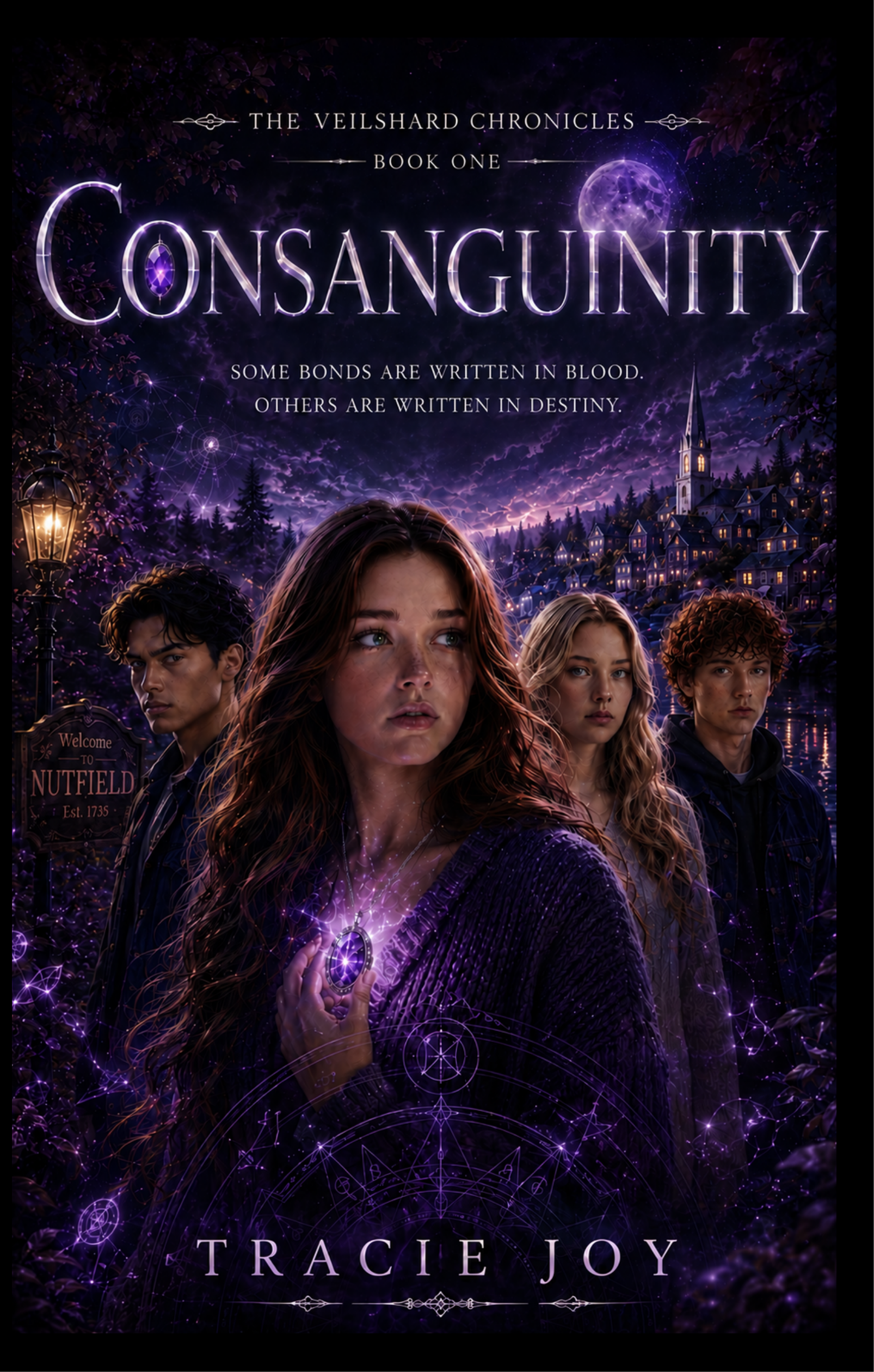
Absolute true story. I was working on my book, I was near the end and things were wrapping up nicely when all of a sudden, a new character walked onto the canvas – well into the school cafeteria if you want to get technical. I wasn’t planning on him, but in he walked and bam! he’s going to be an important part of book 2.
Why Writing First Drafts is Allowed to be Messy
One reason intuitive writers sometimes struggle is that we expect the first draft to behave like a finished book.
It will not.
First drafts wander. They contradict themselves. They introduce characters who suddenly matter more than expected. They create plot holes large enough to park a moderately dramatic dragon in. That does not mean the draft is broken. It means the draft is doing its job.
Author Anne Lamott famously championed the idea of messy first drafts in Bird by Bird, reminding writers that early versions are supposed to be imperfect. The goal of a first draft is not perfection. The goal is discovery. You can revise a messy draft. You cannot revise a story you never let yourself write.
The Benefits of Following a Compass
Writing with a compass offers several advantages.
Flexibility
You’re free to follow interesting ideas when they appear instead of forcing everything to fit a predetermined structure.
Authentic Character Growth
Characters can evolve naturally rather than being pushed through an outline that no longer fits who they’ve become.
Creative Energy
The sense of discovery keeps many intuitive writers engaged and excited about their projects.
Unexpected Connections
Sometimes your subconscious plants seeds long before your conscious mind realizes what they’re for. Those moments can create some of the most satisfying developments in a story.
Joy
Perhaps most importantly, writing remains fun.
And despite all the advice, rules, templates, and systems available today, enjoyment still matters.
A lot.
You Don’t Need Permission, But Here It Is Anyway
If you’re struggling with writing first drafts, consider whether you’ve been forcing yourself to use someone else’s process instead of trusting your own. If detailed outlines help you write, keep using them. There is nothing wrong with  maps. But if you’ve spent years feeling guilty because you don’t enjoy rigid planning systems, consider this your reminder that there are many ways to write a novel.
You don’t need to know every chapter before you begin. You don’t need a twenty-page outline. You don’t need color-coded spreadsheets. You don’t need to justify your creative process to anyone.
Some writers follow maps. Others follow compasses. Both can reach incredible destinations. The important thing is finding the method that helps you keep moving forward. Because a messy first draft written your way will always beat the perfect outline that never becomes a story.
Next in the series: How to Trust Your Instincts When You Don’t Know the Ending