If the Kids Don’t Care, Why Should We? Teacher Burnout and Student Apathy
Teacher burnout is a thing, and a lot of it is caused by student apathy. Let’s just say the quiet part out loud. If the kids don’t care… why should the teachers?
I know. That sounds harsh. Maybe even a little dangerous to admit in a profession built on passion, patience, and the occasional heroic level of caffeine intake. But if you’ve been in a classroom for more than five minutes, you’ve felt it.
That moment when you’ve planned the lesson, prepped the activity, reminded them three times, given them class time, checked in, encouraged, redirected…
And they still don’t do it.
Let’s Talk About Today
In one of my classes, we’re studying the renaissance. It’s a very short unit, and I decided I didn’t want to give the kids a  test on it. I did assign them 7 slides in a digital notebook. Not slides they have to create, just some copying and pasting of info, adding some pictures and other basic activities. I only see them every other day, but on Friday, I gave them about 40 minutes to work on their slides, and today they had 50 minutes. 90 minutes to work on 7 slides. 14 kids didn’t do anything. Not one. Single. Thing. I get this is not the most thrilling topic in their TikTok centric lives, and that is precisely why I didn’t go in deep on this. Be aware of what happened, be aware of a few notable names of the time and what they did.
The One-Sided Effort Problem
This isn’t about one student having a bad day. This is about a pattern. It’s about watching a growing number of students treat deadlines like vague suggestions, effort like an optional add-on, and learning like something that should happen to them instead of because of them.
Meanwhile, teachers are over here bending time and space trying to make it all work. Extensions. Redos. Extra help. Modified assignments. Gentle reminders. Not-so-gentle reminders. Practically crying at their desks – oh wait that one may just be me, today, after that class.
At some point, it stops being support… and starts being a one-person show.
Teacher Burnout from Student Apathy Is Real
We talk a lot about workload, testing, and paperwork when we talk about burnout. And yes, those things matter.
 But teacher burnout from student apathy hits differently. Because it’s emotional. It’s standing in front of a room, trying to care enough for 25 people… while realizing only a handful are meeting you halfway. It’s sad, it’s depressing, and it’s basically a calling card for teacher burnout.
It’s pouring energy into lessons that get met with shrugs. It’s answering “When is this due?” when it’s been on the board, in Google Classroom, and verbally announced since the dawn of time. And eventually, whether we want to admit it or not, something shifts.
The Moment Teachers Start Pulling Back
It doesn’t happen all at once. It’s subtle. You stop over-explaining. You stop chasing missing work quite as hard. You stop bending over backwards for students who won’t take a single step forward.
Not because you don’t care. But because you can’t be the only one who does. And here’s the part no one likes to say out loud: that shift? It’s self-preservation.
I got two emails today from guidance about meetings to set up 504’s for students. One student has done next to no work, misses test, and never makes them up despite constant reminders. The other uses his computer to play games about 60% of the time instead of doing work. How about we hold them accountable instead of giving them accommodations? It pains me to say that, but at some point student apathy plays a role, and accommodations aren’t going to fix that.
This Isn’t About Giving Up
Let’s be clear. Good teachers don’t suddenly stop caring. That’s not how this works. We still show up. We still teach. We still build relationships and celebrate the wins and try again the next day, and some days we cry at our desks. But we 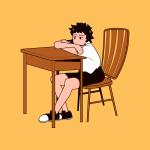 start choosing where our energy goes.
We invest more in the students who are trying. We set firmer boundaries with the ones who aren’t. We stop lighting ourselves on fire to keep a system running that depends on us doing exactly that.
If you’ve ever questioned whether that makes you a “bad teacher,” let me save you some time.
It doesn’t.
So… Why Should Teachers Care?
Here’s the answer. We care because it matters. We care because somebody has to hold the line on expectations. We care because that’s who we are. We are teachers. We are suffering from teacher burnout and student apathy but we just can’t stop caring.
We care because there are still kids in that room who are trying, who are listening, who are watching how we respond.
But we don’t have to care more than they do. That’s the line. That’s the shift. And honestly? That might be the only thing that keeps teachers in the classroom long enough to make a difference at all.
If you’ve been feeling this lately, you’re not alone. And you’re not wrong. You’re just finally recognizing that caring isn’t meant to be a solo act.
If this hit a little too close to home, you might also want to read this post on keeping your mindset grounded when everything feels like it’s spiraling.
And if you’re curious about the bigger picture, this article from Edutopia breaks down the causes of teacher burnout and why it’s hitting so many educators right now.
Hang in there. Do your job well. Protect your energy.
That balance? That’s the real work.