The Editing Mistake That Turned My Blog Into a Mystery Novel
I hate editing mistakes. In my own work. I am far more tolerant of them in the work of other people but in my own work, they are a source of frustration. Yesterday I discovered that one tiny missing word transformed my thoughtful  writing post into something that sounded suspiciously like a forgotten mystery paperback from 1983.
Instead of The Hidden Architecture of a Story, the graphic proudly declared:
The Hidden Architecture Story
Which sounds significantly less like a writing article and significantly more like a widow uncovering cursed blueprints in a foggy seaside mansion.
Honestly, somewhere out there, The Hidden Architecture Story absolutely involves:
- a suspicious architect
- a haunted gazebo
- hidden blueprints
- mysterious footsteps in the attic
- at least one flashlight with dying batteries
- and maybe a ghost which is actually the villain dressed up in a sheet
The best part?
I stared at that image multiple times before I noticed the missing word. That tiny little word, “of,” completely changed 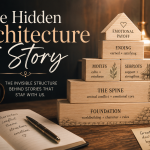 the tone.
And if you’re a writer, blogger, teacher, creator, or honestly just a functioning human trying to survive life in 2026, you’ve probably done the exact same thing.
Why Editing Mistakes Happen
One of the biggest reasons editing mistakes survive is because our brains are incredibly good at autocorrecting reality.
When we reread our own work, we often don’t actually see what’s on the page. We see what we expect to be there.
That means missing words, repeated words, typos, awkward phrasing, and strange formatting can hide in plain sight while our brains happily skate right past them.
This is especially true after you’ve been staring at a draft for hours.
Or days.
Or weeks.
At some point, your brain stops carefully reading.
By the fifteenth reread your brain is no longer reading words. It’s just vibing aggressively in the general direction of meaning.
Writers everywhere just winced because they know exactly what I mean.
Drafting Brain vs. Editing Brain
One thing I’ve learned over the years is that drafting and editing are completely different mental processes.
Drafting brain is chaotic. Drafting brain wants ideas. Drafting brain wants momentum. Drafting brain wants tea, inspiration, emotional damage, and seventeen open tabs.
Editing brain, meanwhile, is a tired detective squinting suspiciously at commas while trying to figure out why a sentence suddenly changed tenses halfway through.
The problem is that many of us try to use both brains at the same time.
That usually ends with us rewriting the same paragraph seventeen times while somehow missing the typo sitting in giant font directly above it.
The Creative Brain Never Stays in One Lane
Ironically, after fixing the typo and and editing mistakes, our minds immediately drifted into completely unrelated territory.
We somehow bounced from blog editing into:
- tie dye shirts
- llamas
- tomato gardening
- chickens
- social media promotion
- dinner plans
This was actually my brain the other night. Seriously, my mind is like a browser with 75 open tabs!
Which honestly proved the point better than any formal writing advice could. Creative people rarely exist in neat little lanes.
Most of us are constantly bouncing between projects, responsibilities, hobbies, ideas, errands, social media, unfinished tasks, emotional processing, and whatever random thought just crash-landed into our brains.
The internet sees the finished blog post. What it doesn’t see is the chaos surrounding its creation.
Sometimes writing happens while dinner cooks. Sometimes ideas appear while gardening. Sometimes story problems get solved while folding laundry. Sometimes you’re editing graphics while someone passionately explains why pink llamas should not be judged by society. And for the record, Karl Jr. is a perfectly respectable name for a pink llama.
Creativity is messy.
Why Writers Need Distance Before Revising
This is also why stepping away from your work matters so much. Even a short break can help reset your brain enough to actually see the words again.
Professional editors recommend letting drafts rest before revising whenever possible. Purdue OWL’s proofreading guide talks about how slowing down and changing your approach during revision can help catch errors your brain normally skips. And honestly? They’re right.
The longer we stare at something, the more invisible the mistakes become. Which is also why writers should stop treating editing mistakes like personal failure. They’re part of the process. Every writer misses things. Every blogger publishes typos. Every creator has looked at something and thought:
How did I not notice that earlier?
I am an ARC reader for someone, and every once in a while, I’ll find some editing mistakes in the copy that I’ve been sent. I’ll note them down and shoot an email with no judgment because I know firsthand that the editing process is fraught with potential pitfalls.
The Hidden Architecture Story Lives On
The funniest part is that now I kind of want to read the accidental mystery version.
Because The Hidden Architecture Story sounds like a dramatic paperback you’d discover in a dusty used bookstore beside a cracked mug and a suspiciously judgmental cat. And honestly? I’d probably read it.
Still, the experience was a good reminder that editing mistakes are normal, creative brains are chaotic, and sometimes one tiny missing word can completely change the meaning of an entire project.
So if you’re currently staring at a draft convinced you’re terrible because you missed something obvious, welcome to the club. Sometimes the typo survives. Sometimes your article accidentally becomes a Nancy Drew novel. And sometimes creativity looks less like perfect focus and more like twenty browser tabs, a half-finished dinner, and someone yelling about llamas in the background.
If you’d like to see the original writing post that accidentally inspired this mystery-novel spiral, check out The Hidden Architecture of a Story. You can also read my earlier thoughts on editing your writing and why revision matters more than most writers realize.