Cut 10 Percent of Your Manuscript Without Losing Your Soul
One of the most common pieces of writing advice is also one of the most terrifying: “Cut 10 percent from y our

manuscript.”
For many writers, those words inspire immediate panic. Cut 10 percent? That’s thousands of words.
Those words took time to write. Some of them are beautiful. Some of them contain your favorite jokes, descriptions, and conversations. The thought of deleting them can feel almost painful.
The good news is that cutting 10 percent of your manuscript doesn’t mean destroying your story. In fact, the goal isn’t to make your manuscript shorter. The goal is to make it stronger.
In the first post in this series,
The Three-Pass Revision Plan, we talked about separating revision into manageable layers. Cutting with intention belongs in that process because trimming works best when you know what kind of revision you’re doing.
When writers hear “cut words,” they often imagine removing scenes they love. In reality, most word count reductions come from trimming repetition, tightening sentences, and making sure every scene is doing meaningful work.
Think of it less like chopping down a tree and more like pruning a garden. You’re helping the healthiest parts thrive.
For a helpful overview of sentence-level trimming, Purdue OWL’s guide to
concise writing explains how removing unnecessary words can make writing clearer and stronger.
Start With Repetition
One of the easiest places to find extra words is repetition. Writers often explain something and then explain it again a

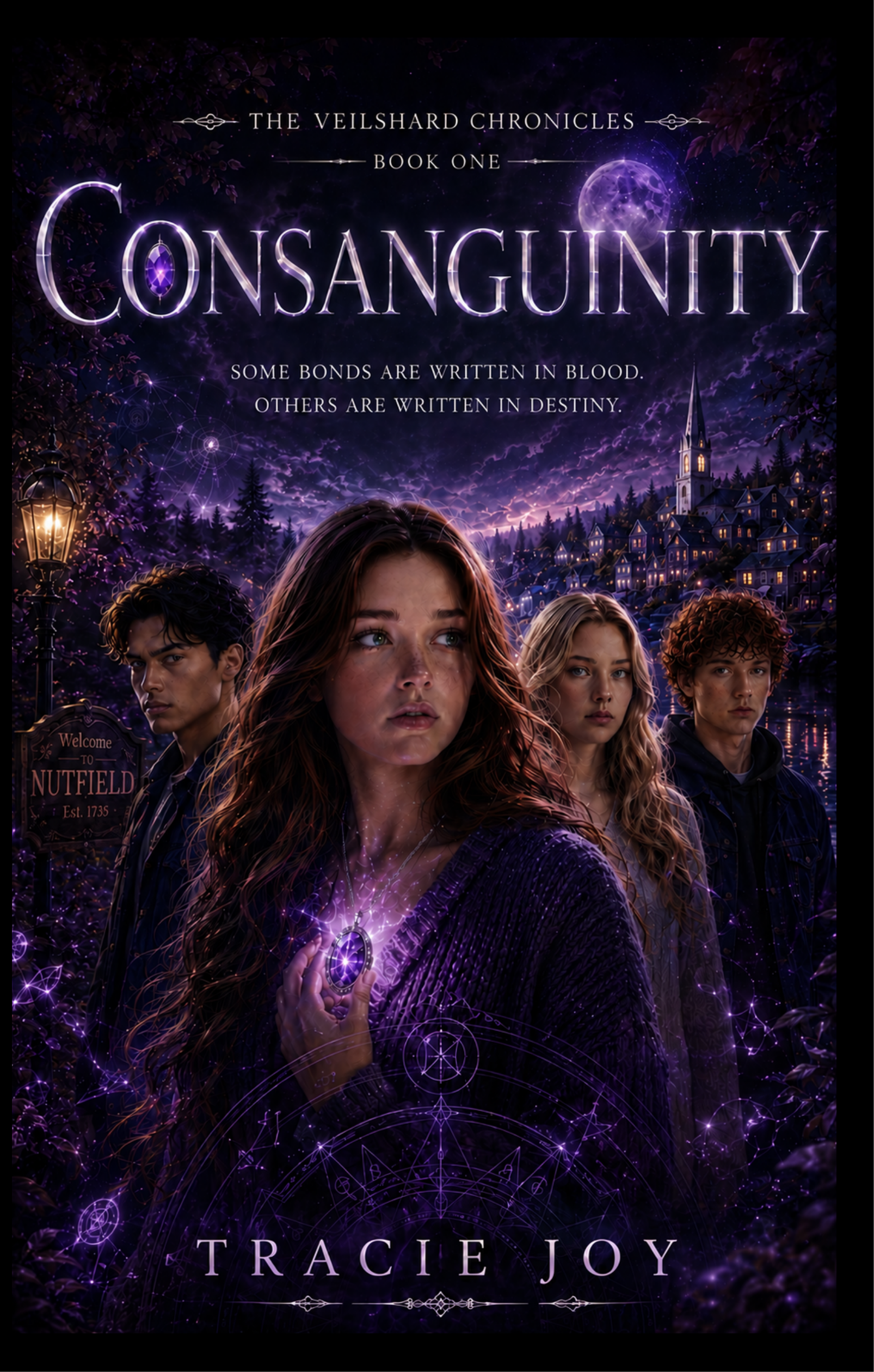
few paragraphs later. I am so guilty of this in
Consanguinity. My main character feels like she doesn’t belong, and I hammer this point home far to many times.
Sometimes a character states an emotion, demonstrates that emotion through actions, and then reflects on that emotion for good measure. Trust your reader. If you’ve already shown something clearly, you probably don’t need to explain it again.
Look for Scenes Doing the Same Job
Every scene should accomplish something meaningful. Sometimes, however, two scenes are performing the exact same function. Perhaps two conversations reveal the same information. Maybe two arguments create the same emotional beat. Or perhaps two scenes establish the same character trait. When that happens, consider combining them. A single strong scene is usually more powerful than two weaker ones trying to accomplish the same goal.
Trim the Throat-Clearing
Many drafts begin scenes too early and end them too late. Writers naturally include characters arriving, settling in, exchanging pleasantries, and leaving because that’s how real life works. Stories don’t need all of that. I know it feels like all that information should be included. Details are important, right? Not always.
Try reading each scene and asking:
- Can I start later?
- Can I end sooner?
- Does the reader need to see this transition?
You may be surprised how much tighter a chapter feels when you enter scenes closer to the action.
Watch for Over-Explaining
This is especially common during revision. We worry readers won’t understand something, so we add another sentence. Then another. And another. Often, the first explanation was enough. Readers enjoy making connections. They don’t need every emotion, motivation, or plot point explained in detail. Give them room to participate in the story. your head.
Tighten Dialogue
Real conversations are often repetitive. Good fictional dialogue usually isn’t.
Look for places where characters:
- Repeat information
- Say the same thing in multiple ways
- Explain things everyone in the conversation already knows
- Talk longer than necessary to make their point
The goal isn’t to make dialogue shorter.The goal is to make it sharper.
Cut Words, Not Voice
One of the biggest fears writers have is losing their unique voice. That’s a valid concern. But strong revision doesn’t remove voice. It removes clutter. Your humor, emotional depth, imagery, and style should remain intact. In fact, those qualities often shine more brightly once unnecessary words are removed. Think of revision as cleaning a window. The view doesn’t disappear. It becomes easier to see.
Ask One Simple Question
When you’re deciding whether something should stay, ask yourself:
What would the reader lose if this disappeared?
If the answer is:
- Important plot information
- Character development
- Emotional impact
- Theme
- Tension
It probably belongs.
If the answer is:
Not much. It may be time to let it go.
Cutting With Intention
Revision isn’t about hitting an arbitrary word count. It’s about helping readers experience the strongest version of your story. Sometimes that means adding words. Sometimes it means removing them. The goal isn’t a smaller

manuscript. The goal is a better one.
I received a comment from a beta reader about one scene in
Consanguinity. They felt it wasn’t necessary. I thought it was for a very specific reason. But when I looked at the reader’s comment, I realized that by adding two simple lines to the manuscript prior to the part they thought wasn’t necessary made that scene become so much stronger.
If you approach revision with intention instead of fear, you’ll often discover that cutting ten percent doesn’t feel like losing something. It feels like uncovering the story that was there all along. It isn’t about you having to cut 10 percent from your manuscript, it’s about you making your story as strong as possible.
In the next post in the Revision Without Tears series, we’ll tackle The Dialogue Clean-Up Checklist and explore how to make conversations sound natural, purposeful, and distinct.