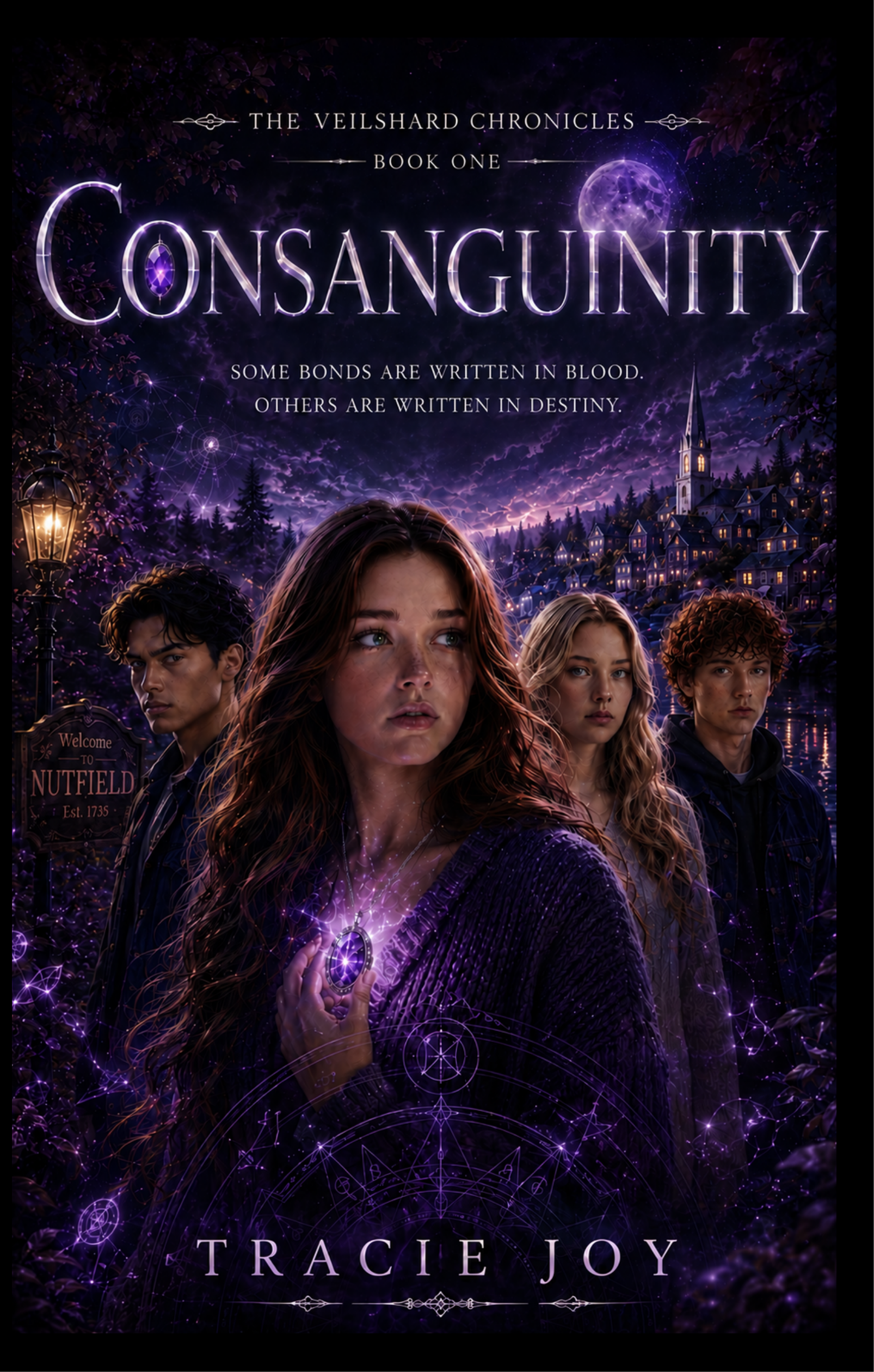
Most authors hear the words author brand and immediately want to hide under the nearest blanket fort, complete with pillows and snacks.
It sounds fake. It sounds corporate. It sounds like you need matching fonts, a perfect color palette, a ring light, a marketing degree, and the ability to say  things like “content pillars” without your soul quietly leaving your body. But building an author brand does not mean inventing a polished online persona. It does not mean pretending to be someone you are not. Your author brand is already there. The trick is learning how to recognize it, shape it, and share it in a way that feels natural. I am a teacher and an author. That’s who I am, so my author platform focuses on both those things. It’s part of my brand because it’s who I am.
 consistently on two platforms you actually enjoy than to burn yourself out trying to post on every social media site known to humanity.
Your website should be your home base. Your newsletter should be one of your strongest reader connections. Social media can help readers find you, but your website and email list give you a place to build a relationship that does not depend entirely on an algorithm having a good day. The Alliance of Independent Authors also offers excellent resources on building a sustainable author career and connecting with readers.
If you are still building that part of your platform, start with the basics. I wrote more about that in Email Newsletters 101 for Authors, because newsletters are one of the simplest ways to stay connected with readers without shouting into the social media void.
consistently on two platforms you actually enjoy than to burn yourself out trying to post on every social media site known to humanity.
Your website should be your home base. Your newsletter should be one of your strongest reader connections. Social media can help readers find you, but your website and email list give you a place to build a relationship that does not depend entirely on an algorithm having a good day. The Alliance of Independent Authors also offers excellent resources on building a sustainable author career and connecting with readers.
If you are still building that part of your platform, start with the basics. I wrote more about that in Email Newsletters 101 for Authors, because newsletters are one of the simplest ways to stay connected with readers without shouting into the social media void.
 Whatever that means. And I mean, seriously, have you met me. I’m the least “authorly” person going.
But your voice is one of the most important parts of your brand. If you are funny, let yourself be funny. If you are thoughtful, be thoughtful. If you are cozy, lean into cozy. If you are a little sarcastic, there is room for that too.
The goal is not to sound like every other author. The goal is to sound like yourself, only a little clearer and more intentional.
Readers connect with authenticity. They can usually tell when someone is trying too hard to be impressive. They can also tell when someone is genuinely excited about their stories.
Whatever that means. And I mean, seriously, have you met me. I’m the least “authorly” person going.
But your voice is one of the most important parts of your brand. If you are funny, let yourself be funny. If you are thoughtful, be thoughtful. If you are cozy, lean into cozy. If you are a little sarcastic, there is room for that too.
The goal is not to sound like every other author. The goal is to sound like yourself, only a little clearer and more intentional.
Readers connect with authenticity. They can usually tell when someone is trying too hard to be impressive. They can also tell when someone is genuinely excited about their stories.
things like “content pillars” without your soul quietly leaving your body. But building an author brand does not mean inventing a polished online persona. It does not mean pretending to be someone you are not. Your author brand is already there. The trick is learning how to recognize it, shape it, and share it in a way that feels natural. I am a teacher and an author. That’s who I am, so my author platform focuses on both those things. It’s part of my brand because it’s who I am.
What Is an Author Brand?
Your author brand is the overall impression readers have of you and your books. It is the feeling they get when they visit your website, read your newsletter, see your social media posts, or pick up one of your books. It includes your genre, your voice, your themes, your visuals, and the way you communicate with readers. It is not just a logo. It is not just a headshot. It is not just a tagline. Those things can support your brand, but they are not the brand itself. Your author brand is the promise readers come to expect from you.Start with the Stories You Already Tell
The easiest way to build an authentic author brand is to start with your writing. Ask yourself a few simple questions:- What kinds of stories do I keep coming back to?
- What themes show up again and again?
- How do I want readers to feel when they finish my work?
- What makes my voice sound like mine?
- What kinds of characters, conflicts, or settings excite me?
Consistency Matters More Than Perfection
One of the biggest mistakes writers make is thinking they cannot build an author brand until everything is perfect. If that were the case, I’d get nothing, and I mean NOTHING done. The website must be perfect. The graphics must be perfect. The bio must be perfect. The newsletter must be perfect. The social media strategy must be perfect. Nope. Perfect is where momentum goes to die. Consistency matters more. Readers need to see enough of the same voice, tone, and message over time to recognize you. That does not mean every post has to look identical. It means your online presence should feel connected. Use similar colors when you can. Keep your website updated. Let your book descriptions sound like they belong to the same author. Write your newsletter in a voice that feels like you. Share posts that connect back to your writing life, your books, your genre, or your reader community. That is how readers begin to recognize you.Let Readers See the Person Behind the Books
Readers do not need access to your entire private life. You are allowed to have boundaries. In fact, please have boundaries. The internet is weird enough already. But readers do enjoy seeing glimpses of the person behind the stories. You might share:- writing updates
- cover reveals
- research rabbit holes
- favorite books
- character inspiration
- behind-the-scenes moments
- small wins
- honest struggles
Choose Platforms That Fit You
You do not have to be everywhere. Read that again, especially if your eye just twitched. You do not have to be everywhere. It is much better to show upconsistently on two platforms you actually enjoy than to burn yourself out trying to post on every social media site known to humanity.
Your website should be your home base. Your newsletter should be one of your strongest reader connections. Social media can help readers find you, but your website and email list give you a place to build a relationship that does not depend entirely on an algorithm having a good day. The Alliance of Independent Authors also offers excellent resources on building a sustainable author career and connecting with readers.
If you are still building that part of your platform, start with the basics. I wrote more about that in Email Newsletters 101 for Authors, because newsletters are one of the simplest ways to stay connected with readers without shouting into the social media void.
Your Voice Is Part of Your Brand
This is where many writers get nervous. They think building an author brand means sounding more professional, more polished, or more “authorly.”Whatever that means. And I mean, seriously, have you met me. I’m the least “authorly” person going.
But your voice is one of the most important parts of your brand. If you are funny, let yourself be funny. If you are thoughtful, be thoughtful. If you are cozy, lean into cozy. If you are a little sarcastic, there is room for that too.
The goal is not to sound like every other author. The goal is to sound like yourself, only a little clearer and more intentional.
Readers connect with authenticity. They can usually tell when someone is trying too hard to be impressive. They can also tell when someone is genuinely excited about their stories.