Today we are talking about the Four Seasons of Creativity. Since I am coming off some down time, I think this topic is quite appropriate.
There are weeks when the words just come. You sit down to write, and suddenly you’ve written 1,500 words. You know exactly where the story is going. Your characters cooperate. Your coffee stays hot. You begin to suspect that maybe—just maybe—you’ve finally figured this whole writing thing out.
And then there are weeks when writing three sentences feels like dragging a sofa up a flight of stairs. Naturally, this is when we decide something is wrong.
We’ve lost our creativity. We’ve lost our discipline. We’re procrastinating. We’re lazy. We need a new planner, a new writing app, a new morning routine, or possibly one of those people on Instagram who wakes up at 4:37 a.m., drinks lemon water, journals for twenty minutes, and has somehow written 3,000 words before sunrise.
Or maybe we’re just in a different season.
Creativity Has Seasons
I’ve started thinking about creativity less like a machine and more like a garden. A machine should produce the same thing every time you turn it on. People don’t work that way. Neither do gardens.
There are times for planting, times for growing, times for harvesting, and times when the ground looks like it’s doing absolutely nothing. But even then, something is happening.
The same is true of a creative life.
The Planting Season
This is the season of ideas. You’re reading. Researching. Wandering through bookstores. Watching documentaries.  Going somewhere you’ve never been. Falling down ridiculous internet rabbit holes because you looked up one tiny historical detail and resurfaced two hours later knowing everything there is to know about nineteenth-century buttons.
You’re scribbling things on scraps of paper. You’re putting random notes in your phone. You’re driving to work when a character suddenly says something brilliant and you’re desperately trying to remember it until you can safely write it down.
From the outside, this might not look much like writing. It is.
You’re filling the well. You’re planting seeds. And you don’t necessarily know which ones will grow.
The Growing Season
Then something catches. An idea starts demanding more attention. Characters develop personalities. Scenes appear. One question leads to another. You start writing, and gradually the thing that existed only inside your head becomes  something real.
This is probably the season we most commonly identify as being productive. Words are appearing on the page. Progress is measurable. We can say, I wrote 800 words today.
And because we can measure it, we tend to value this season more than all the others. That’s a mistake.
You can’t grow something you never planted. And eventually, growing has to lead somewhere.
The Harvesting Season
At some point, the creative work changes. Now you’re finishing. Editing. Revising. Formatting. Publishing. Submitting. Creating the cover, writing the description, making the website, sending the emails, figuring out distribution, promoting the thing you spent months—or years—creating.
For writers, harvesting can be especially strange because suddenly you’re doing an awful lot of work that doesn’t involve writing. You can spend an entire afternoon working on your writing career without adding a single word to your  manuscript.
That still counts.
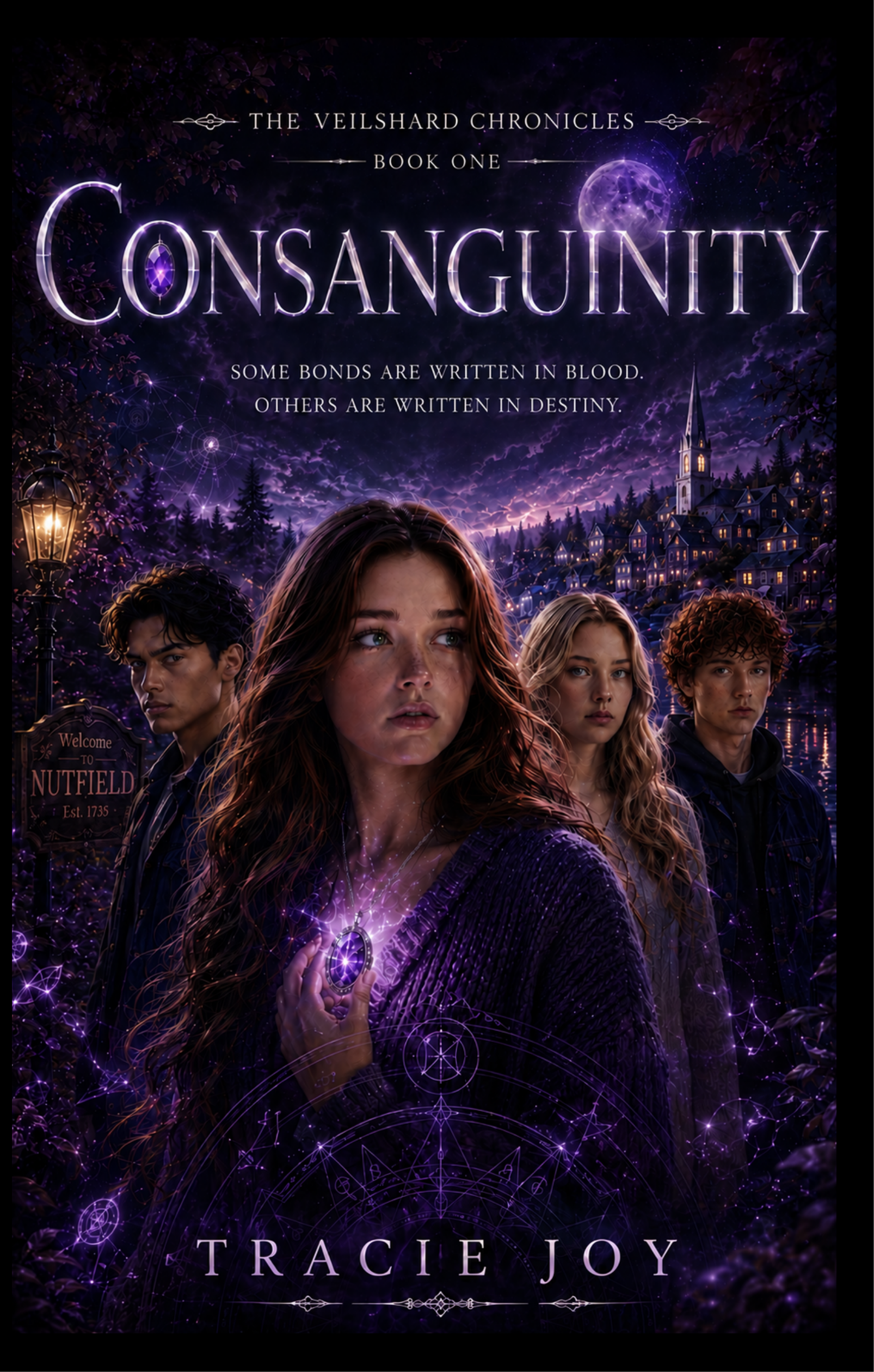
I’ve had to remind myself of this one. Publishing Consanguinity required an entirely different kind of creative energy than writing it did. There were files and formatting and covers and ISBNs and distribution and sell sheets and bookstores and libraries and marketing and approximately seven thousand tiny decisions I hadn’t realized existed when I typed Chapter One.
I’ve written before about some of those not-exactly-writing parts of the process, including what I’ve learned trying to get a self-published book into bookstores and libraries. None of that adds words to the next manuscript, but it’s still part of building a writing life.
If I judged those weeks solely by how many words I wrote on the next book, they wouldn’t look terribly productive. They were.
I was harvesting.
The Fallow Season
And then we come to the season writers are absolutely terrible at accepting: the quiet one.
The season when you’re tired. When ideas aren’t arriving as quickly. When you would rather read somebody else’s book than write your own. When life gets busy. When your brain says, Nope.
 We panic because somewhere along the way, we absorbed the idea that serious writers write every day. That successful people are constantly productive. That if we’re not moving forward, we’re falling behind.
But farmland isn’t failing when it’s left fallow. It’s recovering. And sometimes creativity needs exactly the same thing.
There’s even research behind the idea that creative rest matters. The American Psychological Association discusses creative rest as a way to restore the mental resources used for brainstorming and problem-solving. In other words, stepping away from creative work isn’t necessarily wasted time. Sometimes it’s part of the work.
Maybe you need to read. Maybe you need to binge-watch something ridiculous. Maybe you need to take a walk, bake brownies, play solitaire, spend time with people you love, or stare out a window without turning the experience into content.
Maybe you need to live for a while.
Because eventually, living gives you something new to write about.
The Seasons Aren’t Equal
Here’s another thing I’ve realized: creative seasons don’t arrive according to a convenient quarterly schedule. You don’t get three months of planting followed by three months of growing.
Sometimes a season lasts six months. Sometimes it lasts three days. Sometimes you’re harvesting one project while planting another.
I’m marketing one book while writing the next one. I’m teaching while working on a master’s degree while maintaining a blog while occasionally discovering another project that apparently I absolutely must do immediately.
My creative seasons overlap. Yours probably will too.
The point isn’t to create another system you have to follow perfectly. God knows we don’t need another one of those.
The point is simply to recognize where you are.
Because once you know what season you’re in, you can stop demanding that you behave as though you’re in another one.
Stop Asking, “Why Am I Not Writing?”
Try asking a different question.
What does my creativity need from me right now?
Maybe it needs discipline. Sometimes we really are procrastinating, and the answer is to sit our butt in the chair and write the damn thing.
But sometimes it needs curiosity. Sometimes it needs finishing. Sometimes it needs rest.
Learning the difference may be one of the most important skills we develop as writers.
Because building a writing life that actually works isn’t about squeezing maximum productivity out of every available minute. It’s about building something sustainable enough that you’re still creating years from now.
Plant. Grow. Harvest. Rest.
Then plant again.
That’s not falling behind.
That’s a creative life.
This post is part of my Building a Writing Life That Actually Works series. Next up: How to Build a Writing Routine That Doesn’t Burn You Out—because knowing what creative season you’re in is one thing. Figuring out how to make writing fit into a life that already has a job, a family, responsibilities, and approximately 47 other things demanding your attention is another.
One Response
what a fantastic way to look at it. The fallow season is so much nicer to think about than Oh I’m not doing anything.