Support Indie Authors – It’s Easy Peasy
If you want to support indie authors, I have some very good news: you don’t have to buy a single book.
Don’t get me wrong. We love it when you buy our books. We may even stare lovingly at the sales report when one appears. Not that I have ever done such a thing. (Quickly hides sales reports).
But buying a book isn’t the only way to help an independent author. In fact, some of the most valuable things you can do for an indie author cost absolutely nothing—and take only a few minutes.
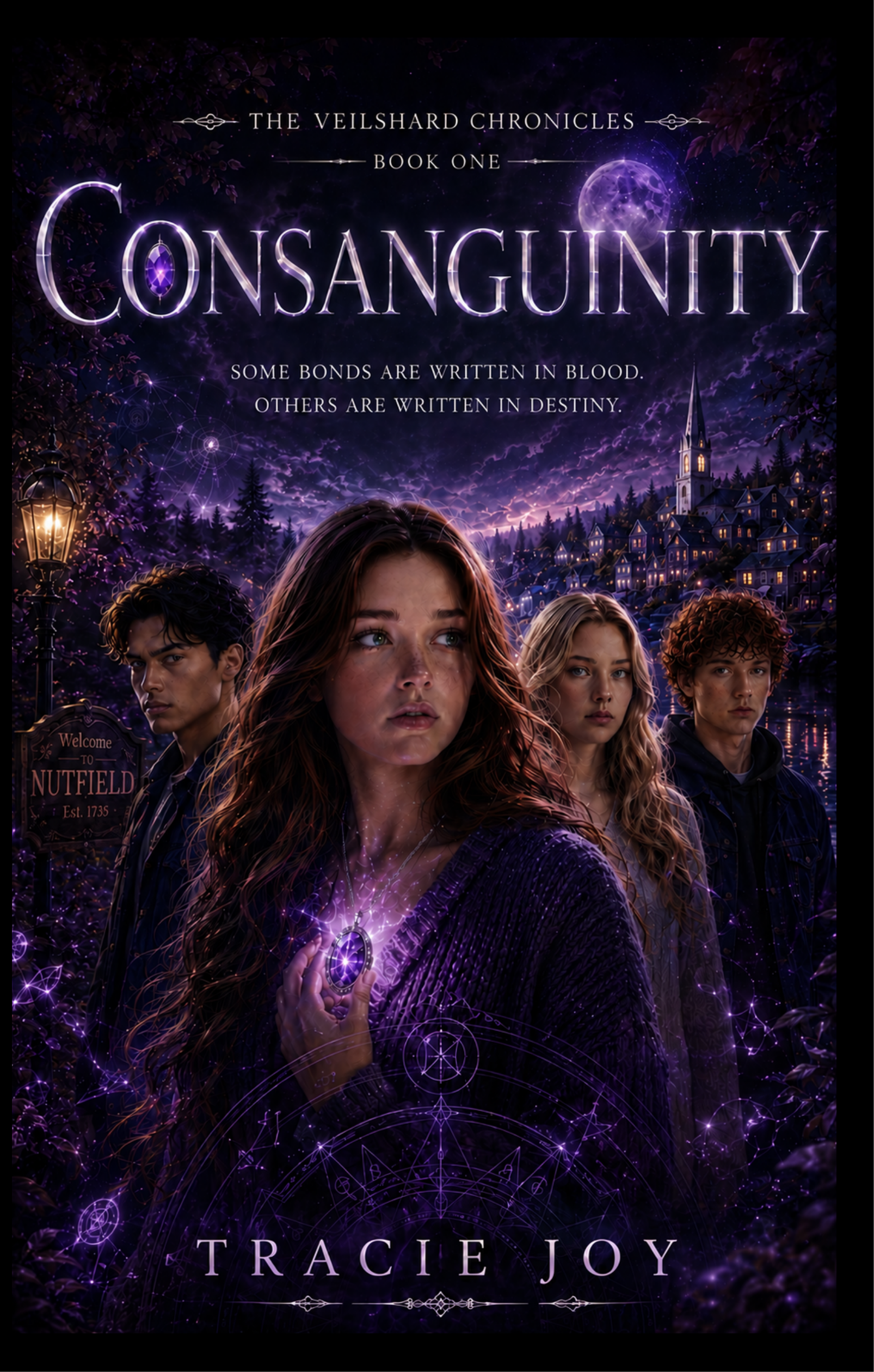
Since publishing Consanguinity, the first book in my Veilshard Chronicles series, I’ve discovered just how much those little things matter. A review appears. Someone shares a post. A reader tells a friend about the book. A library expresses interest. Three mysterious copies wander off into the world through IngramSpark.
None of those things feels enormous on its own. Together? They start building something.
And if you’ve ever wondered how you can help your favorite indie authors build that something, here are a few very easy places to start.
Because Every Story Is a Piece of Someone
Here’s the biggest reason I think you should support indie authors: when an indie author puts a story out into the world, they’re putting a piece of themselves out there with it.
It’s something they’ve dreamed about. Something they’ve worked on, worried over, rewritten, deleted, rewritten again, and honestly poured themselves into. By the time that book lands in your hands, it isn’t just a collection of words and pages anymore. It’s a piece of them.
It’s a piece of us.
And a little bit of acknowledgment from the people who read those words can mean more than you probably realize.
Back when I wrote fanfiction, we used to ask readers to “please feed the feedback monster.” I loved looking at the comments people left on my stories. I wanted to know what made someone laugh, what surprised them, which character they loved, which moment made them want to yell at me, and whether something I’d written actually made them feel something.
That feeling doesn’t disappear when you become a published author.
We’ve given you this little piece of ourselves. We’ve sent it out into the world and hoped it finds someone on the other side.
So tell us.
Tell us you liked it. Tell us which character you fell in love with. Tell us which one drove you crazy. Tell us you stayed up too late because you needed one more chapter. Tell us a scene made you laugh or cry or want to throw the book across the room.
Tell us how our story made you feel.
Because yes, reviews help sell books. Likes and shares help with algorithms. Library requests help books reach new readers. All of those practical things matter.
But underneath all of that is a writer sitting somewhere wondering whether this thing they dreamed about and worked so hard to create meant something to somebody else.
Sometimes one little comment is enough to tell them that it did.
Leave a Review—even a Tiny One
 Let’s start with the big one: reviews matter. They do and it’s one of the best ways to support an indie author.
They give potential readers something besides the author’s own enthusiastic insistence that, no really, the book is good. Reviews provide social proof. They tell someone browsing a book page that actual human beings have read this thing and had thoughts about it.
And here’s something I wish more readers knew: your review does not have to be long.
You don’t need to write a book report. You don’t need a clever opening paragraph, textual evidence, or a concluding statement. I am a teacher, and I promise I am not grading you. A few sentences about what you enjoyed are enough. Loved the characters? Say that. Couldn’t put it down? Perfect. Still thinking about one particular scene three days later? Tell people.
Even something as simple as, “I really enjoyed this book, and Eric needs adult supervision,” would frankly delight me.
If you’ve read Consanguinity and enjoyed it, leaving an honest review on Amazon—or wherever you track and review your books—is one of the loveliest things you can do for me.
Like, Comment, and Share an Indie Author’s Posts
Another great way to support indie authors, takes seconds and costs exactly zero dollars is to like, comment and share their posts on social media. When an indie author posts about a new release, shares a ridiculous character meme, celebrates a review, reveals a cover, or makes a video that took considerably longer to create than they would like to admit, interact with it.
Like it. Even better, leave a comment. And if you think someone else might enjoy it, share it.
 Social platforms use engagement as one of the signals that helps determine whether content gets shown to more people. Your interaction can help a post travel beyond the author’s existing followers and reach someone who has never heard of that author—or their book—before.
You don’t even need to compose something profound. A heart works. An emoji works. “Eric is my favorite and I will not be taking questions” works.
Every little interaction tells the internet, Hey, people are interested in this. And for an indie author trying to be discovered in a very, very crowded online world, that matters.
Tell One Person About the Book
Word of mouth is powerful and a super simple way to support indie authors. Think about how many books you’ve read because someone you trusted said, “You HAVE to read this.”
You don’t need to become an author’s unpaid marketing department. Just think of the person in your life who would genuinely enjoy the book and tell them about it. Send them the link. Loan them your copy. Tag them in a post. Mention  it the next time you’re talking about books. However if you want to support indie authors by becoming their unpaid marketing department, few if any will turn you down!
One recommendation can create another reader. That reader might recommend the book to somebody else. That’s how books begin traveling beyond the author’s immediate circle.
That’s actually the idea behind my Traveling Copies of Consanguinity experiment. I released copies of the book into the wild with one simple request: read it, log where you found it, and pass it along. I have no idea where they’ll eventually end up—and that’s half the fun.
Because sometimes supporting a book really is as simple as helping it find its next reader, and it’s a great way to support indie authors.
Request the Book at Your Library
This one is particularly close to my heart. Libraries are wonderful places for readers to discover authors they might never have taken a chance on otherwise. If your library doesn’t carry an indie book you’ve enjoyed, consider requesting  it.
it.
Libraries have their own purchasing policies and can’t acquire every title requested, of course. But reader requests can put a book on a librarian’s radar. And if the library does add it? One copy can potentially introduce that author to dozens of new readers.
You can also search WorldCat to see whether a book is already held by libraries near you.
As someone who has been reaching out to libraries about Consanguinity, I can tell you that seeing my book make its way into library collections feels pretty darn wonderful.
Add the Book to Your Reading Sites
Another super simple way to support indie authors if you use Goodreads, StoryGraph, or another book-tracking community, add the book to your shelves. Mark it as “Want to Read.” Rate it when you’ve finished. Review it there, too, if you’re feeling particularly generous.
Those little bits of activity make an indie book more visible in places where readers are specifically looking for their next read. Again: tiny action. Potentially much bigger ripple.
Follow the Author
If you enjoy someone’s work, follow them wherever you actually like spending time. You don’t have to hunt them down on seventeen different platforms. Nobody needs that kind of commitment.
But following an author on your favorite social platform means you’re more likely to see their next release, cover reveal, event, sale, or bit of character-related nonsense. And if they have a newsletter, consider joining it.
Social media algorithms are unpredictable. An email list gives authors a way to communicate directly with readers who actually want to hear from them, and again, it’s a great way to support indie authors.
Celebrate the Little Wins With Us
Here’s something I didn’t fully understand until I became an indie author myself: there are a lot of little milestones. The first sale. The first review. The first stranger who buys the book. The first library that says yes. The first bookstore that reaches out. The first time you discover that three copies sold somewhere through your distributor and you have absolutely no idea where they went.
None of those moments means you’ve suddenly become a bestselling author. But every one of them means the book traveled a little farther than it did yesterday.
When you like the celebratory post, leave a “Congratulations!” or get excited with us, you’re not just being nice. You’re reminding us that someone is paying attention. That matters more than you might think
Supporting Indie Authors Is About Helping Stories Travel
Of course, buying an indie author’s book is wonderful. But support isn’t measured only in dollars. It’s the review you took three minutes to write. It’s the post you shared. It’s the friend you told. It’s the library request you submitted. It’s the comment that gave a social post just a little more life.
Indie publishing is built on thousands of tiny connections between writers and readers. Most of those connections don’t look dramatic when they happen, but they accumulate. One reader becomes two. Two become five. Someone discovers Book One just as Book Two arrives. A person who found an author through a random shared post becomes the person waiting impatiently for the next release.
That’s how the snowball grows.
So if you’ve ever liked an indie author’s book and wondered what you could do to support indie authors, pick one tiny thing. It counts. I promise.
And if the indie book you happened to read was Consanguinity? Well…
If you haven’t left a review yet, consider this your very low-pressure nudge. Two sentences will do.
And I still maintain that “I liked it and Eric needs adult supervision” is a perfectly respectable literary critique.