Free Marketing Tools for Indie Authors
Let’s talk about free marketing tools for indie authors. Why? A bunch of reasons. If you’re an indie author, chances are you don’t have a lot of money. But you still need to market yourself and market your book. And that, my friends, is why we’re talking about free marketing tools. It’s easy to believe that successful book marketing requires a huge budget. Between advertising, website hosting, professional graphics, and promotional services, the costs can seem endless. Guess what? It doesn’t have to. Which is good because I don’t know many indie authors who can pay for all of that.
The good news? There are a ton of effective free marketing tools out there. You just need to know where to look for them. Pssst, it’s here. Here is where you look for them!
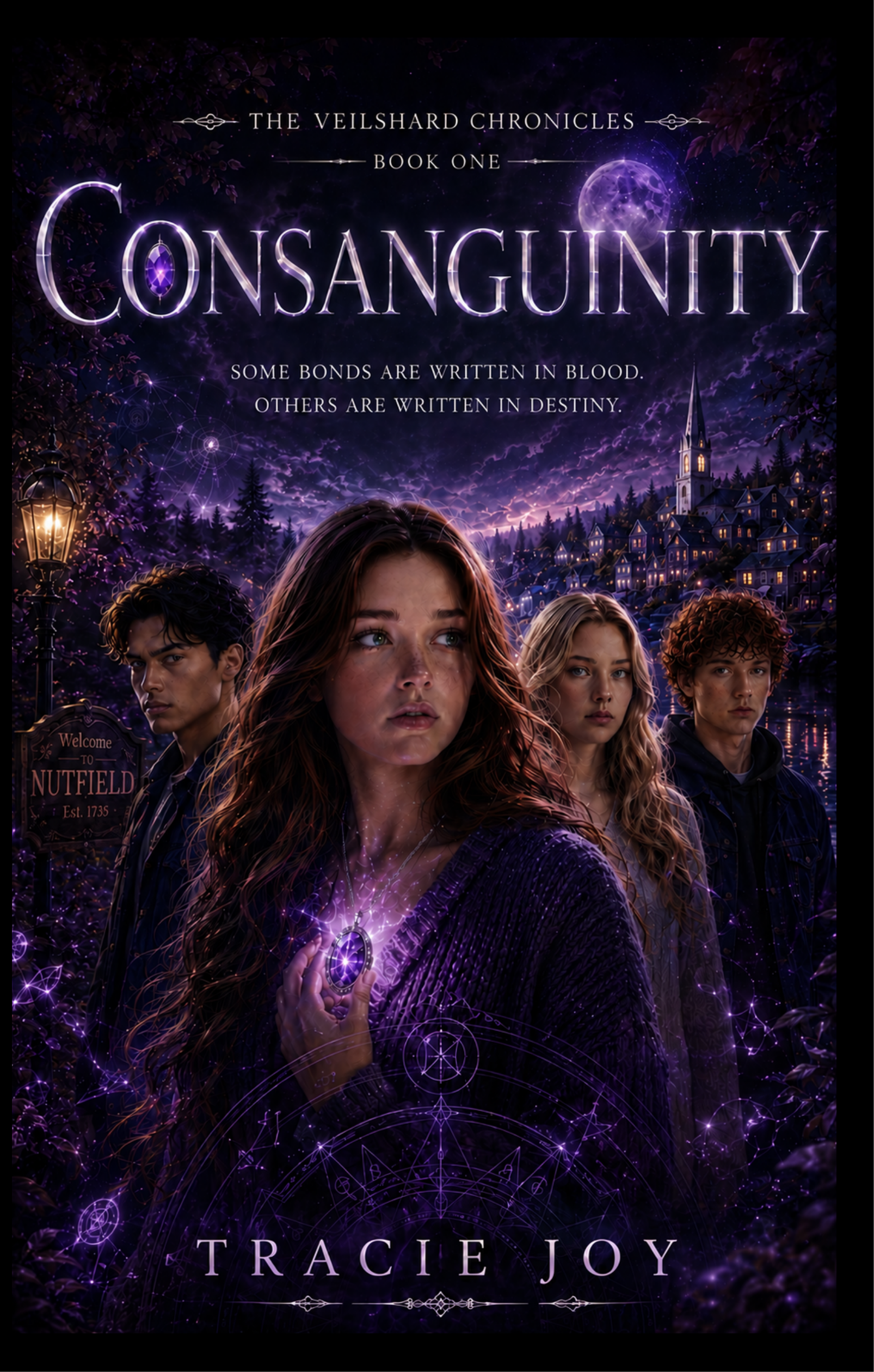
As I prepare to publish my debut novel, Consanguinity, I’ve discovered that consistency, creativity, and a handful of excellent free resources can accomplish far more than expensive software collecting dust on your computer.
If you’re just getting started, begin by defining who you are as an author before worrying about marketing. A clear brand makes every blog post, newsletter, and social media update feel more cohesive. Read my guide to building an author brand readers will remember before diving into these tools.
1. WordPress
Your website is the one place online that you completely own. Social media platforms change their algorithms regularly, but your website remains your digital home. Whether you’re writing blog posts, sharing book updates, collecting newsletter subscribers, or selling signed copies, having your own website gives you complete control over your author brand.
2. Rank Math SEO
If you’re using WordPress, Rank Math’s free version is an excellent way to improve your search engine optimization. It helps optimize headings, keywords, internal links, image alt text, and metadata. Does it occasionally make you want to argue with your computer? Yes. But it also helps your posts become easier for readers to find.
3. Canva
 I’ll be the first to admit that graphic design isn’t my superpower. Thankfully, Canva makes creating professional-looking graphics much easier. The free version is more than enough for blog graphics, Pinterest pins, social media posts, book quotes, and promotional images. So in my own personal experience, Canva hates me, but it is truly one of the best free marketing tools you can use.
4. Free Image Sites
Good graphics need good images, and luckily there are several sites where you can find free photos and design elements. Pixabay, Unsplash, and Pexels are great places to look for royalty-free images for blog posts, social media graphics, and promotional materials.
Just make sure you check the license before using an image, especially if you are using it for anything connected to selling your book. Free is wonderful. Copyright trouble is not.
5. Mailchimp
Your email list is one of the few marketing assets you truly own. Even a small list of engaged readers can become your biggest supporters when launch day arrives. I have a bunch of inexpensive mailer programs in my post on creating your author newsletter.
6. Google Docs & Google Drive
Google’s free productivity tools make it easy to draft blog posts, collaborate with beta readers, and safely store manuscripts and graphics in the cloud. This is super convenient if you bounce between devices like I do.
7. Trello or Notion
If your brain likes to run in seventeen different directions at once, a free organization tool can help. Trello and Notion both offer free plans that can be used to track blog post ideas, launch tasks, newsletter topics, social media plans, and book marketing checklists.
You do not need a complicated system. A simple board with columns like Ideas, Drafting, Ready to Post, and Published can make your author life feel a lot less chaotic.
8. Meta Business Suite
If you’re active on Facebook or Instagram, Meta Business Suite allows you to schedule posts ahead of time for free,  helping you spend more time writing and less time posting. You can also create a Facebook author page that is separate from your personal page if you want privacy.
I actually recommend this, and I also recommend locking down the privacy on your personal page. Mine is already locked down because I’m a teacher and my students love coming into school saying, “Miss, I found your Facebook page.” To which I respond, “My name’s not Miss, and it’s set to private so I really don’t care.”
9. Grammarly or ProWritingAid
These aren’t necessarily free marketing tools but or an indie author they are very important. Editing tools can be helpful  for blog posts, newsletters, and social media captions. Grammarly and ProWritingAid both have free versions that can catch typos, awkward phrasing, and basic grammar issues before you hit publish.
Are they perfect? Absolutely not. Do they replace a human editor? Also no. But they can save you from posting something with a typo in the headline, which is exactly the kind of thing that only appears after you share the link everywhere.
10. Google Search Console
Not a free marketing tool, but a free tool necessary for indie authors with a website. Google Search Console helps you understand how readers find your website, which pages receive the most traffic, and which search terms are bringing visitors to your content.
This is especially useful once you have several blog posts published. You can see which topics are working, which posts are getting clicks, and which keywords people are using to find you. That information can help you decide what to write next.
11. Google Trends
One of the hardest parts of maintaining an author website is deciding what to write about next. That’s where Google Trends comes in. I just learned about this free marketing tool while researching this article!
 Google Trends shows what people are searching for and how interest in a topic changes over time. You can compare multiple search terms, identify seasonal trends, and discover related topics that readers are actively searching for.
For example, if you’re writing for authors, you might compare search terms like self-publishing, book marketing, and writing tips to see which topics are currently receiving the most attention. You can also explore related searches to uncover ideas for future blog posts or newsletter topics.
Google Trends will not tell you exactly what to write, but it can help you understand what your audience is already interested in. Instead of guessing which topics might perform well, you can make more informed decisions based on real search data.
One simple trick is to type in two or three possible phrases before you write a post. If one phrase clearly gets more interest than the others, consider using that wording in your title, headings, or focus keyword. You are still writing what you want to write, but you are phrasing it in a way readers are already searching for.
12. Social Media
Never underestimate the power of social media as free marketing tools for an indie author. You don’t have to be  everywhere. Choose one or two platforms you genuinely enjoy and focus on building authentic relationships with readers rather than chasing every new trend.
You can also experiment and post everywhere for a while to see where your posts get the most interaction, then focus more of your energy on that platform. The whole work smarter thing!
13. Your Current Work in Progress
This one might sound strange, but your current work in progress is one of your best free marketing tools. Every new book gives readers another reason to find you, follow you, and come back for more.
Behind-the-scenes updates, character teasers, cover reveals, research rabbit holes, and drafting progress can all become part of your marketing. You do not have to share everything, but letting readers see small pieces of the journey helps them feel connected to the book before it is even published. It’s hard (at least for me) but as an indie author, you really have to put yourself out there and start establishing those connections sooner rather than later.
14. The Best Free Marketing Tools of All
Here’s the secret: the most powerful free marketing tools aren’t a website, plugin, or social media platform. They are you and consistency.
Publishing one thoughtful blog post every week is better than publishing ten in one month and disappearing for six months. Marketing doesn’t have to be expensive which is good because most indie authors I know don’t have a ton or disposable income. Start with a few free tools, learn how to use them well, and keep showing up. Over time, those small, consistent efforts become an author platform that readers know, trust, and want to follow.
Did I miss one of your favorite free marketing tools? Let me know in the comments so we can help each other grow.