The First 5 Pages: What Readers Decide Before They Keep Reading
You only get one chance to make a first impression, and nowhere is that truer than in the first five pages of a novel. Whether someone picks up your book in a bookstore, downloads a sample on Kindle, or receives it from a friend, those  opening pages determine one thing:
Will they keep reading?
The good news is that readers are not expecting perfection. They are looking for a reason to care. If you can spark curiosity, introduce an interesting character, and give them confidence that the story is heading somewhere worthwhile, you have already won half the battle.
Let’s look at what readers are really deciding in those first five pages.
1. Can I Trust This Author?
Readers do not consciously ask themselves this question, but they answer it almost immediately.
They want to feel like the author knows what they are doing. That means:
- Clean, polished writing
- A consistent point of view
- A confident narrative voice
- Clear, engaging prose
A typo will not usually make someone quit. Confusing writing or awkward storytelling might.
Your opening does not need to be flashy. It simply needs to reassure readers that they are in capable hands.
2. Do I Care About This Character?
You do not have to make your protagonist lovable right away. You do have to make them interesting. Maybe they are  facing an impossible choice. Maybe they are funny, vulnerable, determined, or completely out of their depth. Whatever the case, readers need a reason to become emotionally invested. One of the easiest ways to create that connection is to show your character wanting something. It does not have to be a life-changing goal. Even a simple desire gives readers something to root for.
3. Is Something Interesting About to Happen?
Notice I did not say explosions. You don’t need big events in the first five pages. You can have them, but they aren’t necessary. Stories do not have to begin with action scenes. They do need momentum. Readers should feel like something is changing. Perhaps a normal day is about to become anything but normal. Perhaps a mystery has just appeared. Perhaps a relationship is beginning to shift. Curiosity is often more powerful than chaos.
4. Am I Confused?
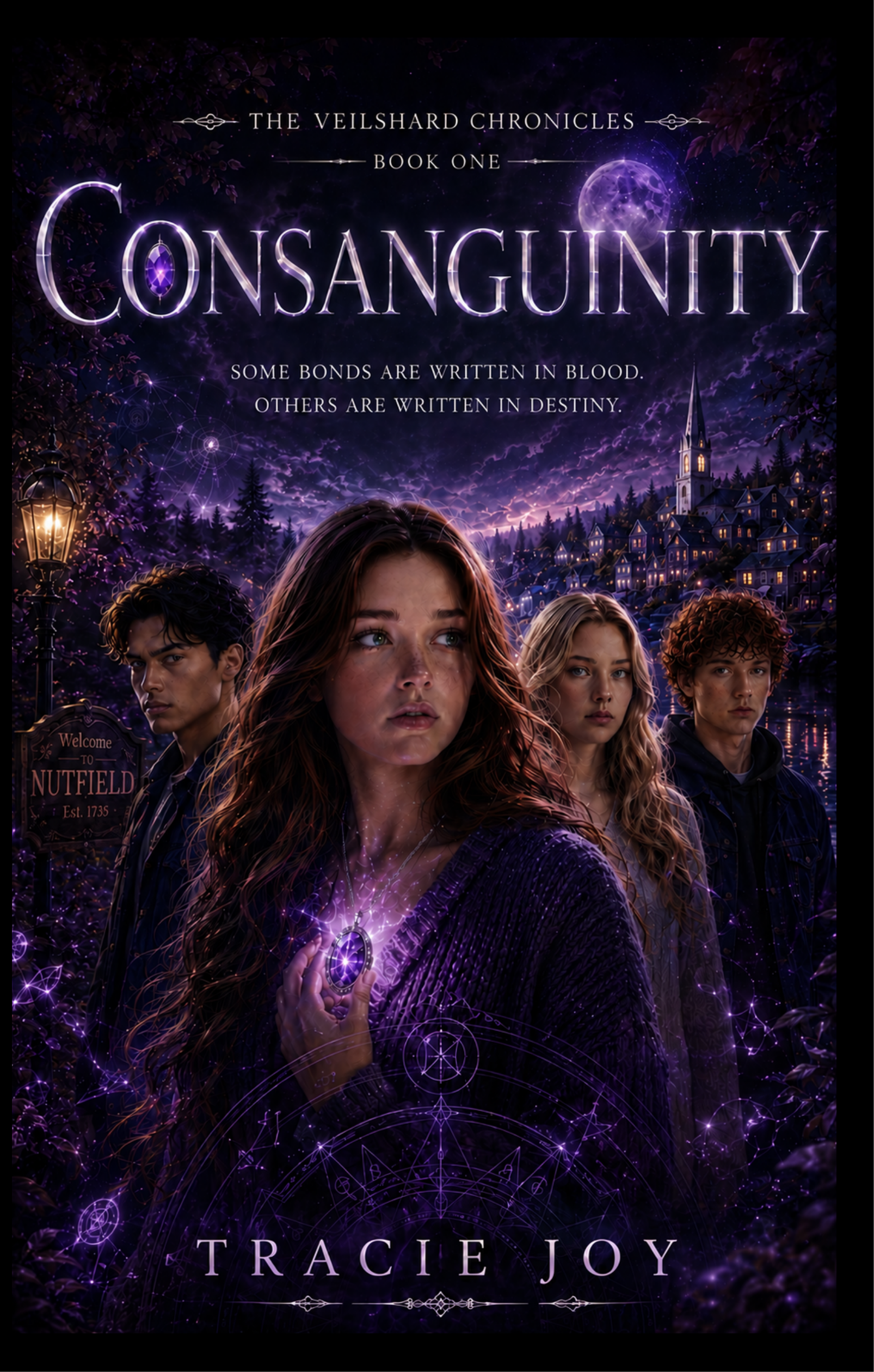
Mystery is good. Confusion is not. Many writers try so hard to make readers curious that they forget to help them  understand what is happening. A lot of feedback I’ve received from my beta readers for Consanguinity centers on the story’s mysteries. They want to keep reading because they want answers. That is exactly the kind of curiosity an opening should create.
Readers should know:
- Whose story this is
- Where they are
- What is happening in the scene
- Why they should care
You do not have to explain your entire magic system, family tree, or world history on page one. In fact, you will usually be better off if you do not.
5. Does This Story Have a Voice?
Plot gets readers interested. Voice keeps them reading. Think about your favorite authors. Chances are, you could recognize their writing after only a page or two. Your voice is your personality on the page. It is what makes your story feel uniquely yours. Do not try to sound like another author simply because they are successful.
Write like you.
What Does Not Have to Happen
There is a myth that the first chapter has to include:
- The main villain
- Every major character
- The central conflict
- The entire worldbuilding system
- A dramatic battle
It does not.
The first five pages have one job:
Convince readers that the journey ahead is worth taking.
Everything else can unfold naturally.
A Simple First Five Pages Test
When you have finished your opening chapter, ask someone to read only the first five pages.
Then ask these questions:
- Who do you think the main character is?
- What questions do you have?
- Would you keep reading?
- Why or why not?
Their answers will tell you far more than asking, “Did you like it?”
Final Thoughts on the First Five Pages
The first five pages do not have to be perfect. They simply have to make a promise. Promise readers an engaging  character, an intriguing story, and a satisfying journey, and they will happily turn the page to see what happens next. If you’d like another perspective on crafting a compelling opening, Reedsy also offers excellent advice on writing a strong first chapter.
Tomorrow, we will look at seven first chapter mistakes that quietly convince readers to stop reading and how to avoid every one of them.
Related Reading
- Dialogue That Sounds Like Real People
- The Invisible Dialogue Rule
- How to Use Silence and Subtext
- The Rhythm of Real Speech Without the Um’s
- How to Write Group Conversations Without Chaos
- Dialogue Tags vs. Action Beats
Strengthen Your First Chapter
Before you send your opening to beta readers, critique partners, or agents, use my free First Chapter Checklist to make sure your story begins with clarity, purpose, and enough intrigue to keep readers turning the page.“`