How to Get Your Self-Published Book Into Local Bookstores and Libraries
Congratulations! You published your book. Now how do you get your self-published book into bookstores? Before we dive into that, let’s celebrate everything you just did, because you did a LOT!
You survived editing. Formatting. Cover design. ISBNs. Uploading files. Finding the typo that somehow waited until after publication to reveal itself. And now comes the next question:
How Do You Actually Get Your Self-Published Book into Bookstores?
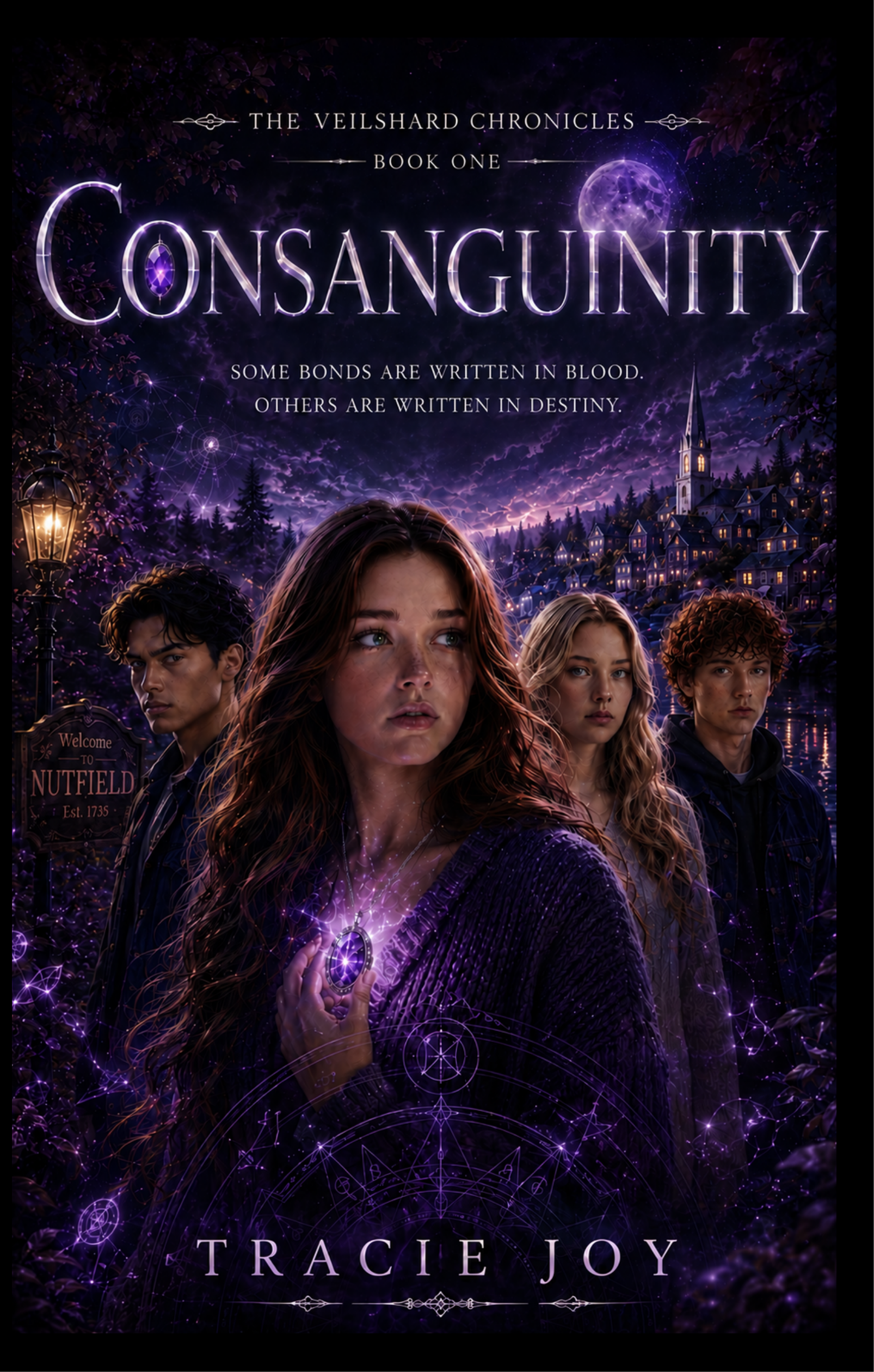
When I published Consanguinity, the first book in my YA fantasy series The Veilshard Chronicles, I knew I wanted to reach beyond Amazon. I’m a New Hampshire author, my book is set in New Hampshire, and getting it into local  bookstores and libraries seemed like an obvious next step.
It was.
What was slightly less obvious was how to actually do it. Because apparently, “make a pretty sell sheet and mail it to everybody” is not an entire marketing plan.
Who knew? Not me, that’s for sure!
Start Close to Home
Before trying to convince bookstores across the country to carry your book, look at the places where you already have a connection. For me, that meant New Hampshire.
I’m a longtime New Hampshire resident. I teach here. I graduated from a local high school. My children graduated from that same high school. And Consanguinity takes place in a fictionalized version of a New Hampshire town. Those connections matter.
“Local author” gives an independent bookstore or library a reason to take a closer look at your book that has nothing to do with whether you’re already a bestseller.
Start by making a list of:
- Independent bookstores in your state or region
- Your hometown library
- Libraries in towns connected to you or your book
- School libraries, if your book is appropriate for that audience
- Bookstores near places you’ve lived, worked, or attended school
- Stores or organizations connected to your book’s subject or setting
You can expand later. First, work outward from the places where your book makes sense.
Make Sure They Can Actually Order Your Book
This sounds painfully obvious, but before approaching bookstores and libraries, make sure you’ve made it easy for them to get the book. Amazon availability isn’t enough. Many bookstores don’t want to purchase inventory from Amazon, nor should we expect them to. Libraries also purchase through their own vendors and distributors.
For Consanguinity, I made the paperback available through IngramSpark in addition to publishing through Amazon KDP. That gave bookstores and libraries access to the book through distribution channels they already use.
Before you start pitching, know:
- Your ISBN
- Your retail price
- Your distributor
- Your wholesale discount
- Whether the book is returnable
- Your publication date
- Your book’s format and page count
- Where booksellers can order it
You don’t necessarily need to dump all of that information into your introductory letter, but you need to know it. If a bookseller likes your book but can’t easily order it, you’ve created an unnecessary obstacle.
IngramSpark has a helpful guide on how self-published authors can make their books more bookstore-friendly, including distribution, wholesale discounts, and returnability.
Create a Sell Sheet
If you want to get your self-published book into bookstores, you need a sell sheet. This was one of those publishing 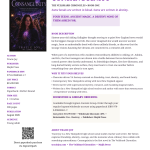 terms I vaguely understood until I actually needed one. And by vaguely, I mean not at all! A sell sheet is essentially a one-page information sheet about your book. Think of it less as an advertisement for readers and more as a quick reference for someone deciding whether your book belongs in their store or collection. Mine includes the book cover, a short description, publication information, ISBN, pricing, ordering information, and a little about me.
If you’re sitting there thinking, Okay, but what exactly goes on a sell sheet?, I already went down that particular publishing rabbit hole. You can read my guide to creating a book sell sheet for indie authors, including what to include and why you might need one.
The important thing I learned while creating mine was this:
Don’t make it scream.
You aren’t designing a carnival poster.
The goal isn’t:
BUY MY AMAZING BOOK!!!
It’s:
Here is a professionally published book you may want to consider for your customers or collection, and here is everything you need to evaluate it.
Professional. Attractive. Easy to scan.
Your book cover should do some of the visual heavy lifting. The rest of the page should make someone’s job easier.
Research Every Bookstore Before You Contact Them
This is where my beautifully simple plan became considerably less simple. I started building a list of independent bookstores I wanted to contact. Then I started looking at their submission policies. And discovered that every bookstore apparently gathered in secret and agreed to do things differently. Some bookstores accept information by email. Some have online submission forms. Some want physical materials. Some only consider books from local authors. Some have specific consignment programs. Some aren’t currently accepting submissions at all.
In other words, do not print twenty identical packets, slap labels on them, and call it a day.
Research first.
Look for a page on the bookstore’s website mentioning:
- Local authors
- Independent authors
- Book submissions
- Consignment
- Author events
- Book buying or purchasing
Then follow their directions. Not the directions you wish they had. Their actual directions. There is a difference. If they say email, email. If they provide a form, use the form. If they ask for a physical copy or sell sheet, mail it. If they say they’re not accepting submissions right now, save yourself the postage.
Libraries Are Not Bookstores
This should have been obvious. And technically, it was obvious. Did that stop me from initially approaching my library  list as though it were basically Bookstore List: The Sequel?
No. No, it did not.
Libraries have their own collection-development and acquisition processes. Some allow patrons or local authors to suggest titles for purchase. Some have online forms. Some want you to contact a particular librarian. Others have very specific policies regarding self-published books.
So once again:
Research first. Mail second.
Otherwise, you may find yourself holding a stack of beautifully printed sell sheets and wondering why exactly you were planning to put stamps on all of them. Not that I would know anything about that.
Ahem. But I digress.
Use Your Real Connections
There’s a difference between personalization and pretending you have a relationship that doesn’t exist.
You don’t need to write:
“Dear Bookseller, I have long admired the warm and welcoming literary atmosphere you’ve created…”
when you’ve never set foot in the building. People can smell marketing copy from space. But if you do have a genuine connection, mention it. Maybe you grew up in that town. Maybe the book is set there. Maybe you’re a teacher in the community. Maybe you graduated from the school whose library you’re contacting. Maybe you’ve shopped at that bookstore for fifteen years.
That’s relevant. Use it. For everyone else, a friendly, professional introduction is enough. You don’t need to manufacture intimacy to sell a book.
I emailed the librarian at the school that both my kids and I graduated from and offered to donate a book if they were interested. I kept the email short and sweet, and the librarian got back to me right away and said no, I didn’t need to donate a book, they would BUY ONE! Why? Because they are all about supporting local authors.
Keep Your Pitch Low-Key
This may be the biggest lesson I’ve learned from the process so far. I don’t want my materials to look like someone opened an envelope and immediately got hit in the face with:
HELLO, I AM AN AUTHOR AND I WOULD LIKE MONEY. Yes, I know that’s the goal, but you don’t have to say that.
The goal is simply to introduce the book. Here’s who I am. Here’s the book. Here’s why I thought it might be a good fit for your store or collection. Here’s how you can order it. Thank you for considering it.
That’s it.
The cover letter doesn’t need to recount your entire publishing journey. The sell sheet doesn’t need six glowing adjectives in every sentence. You don’t need to explain that your mother loved the book. Of course she did. She’s your mother.
Track Everything
Once you’ve researched more than a handful of stores and libraries, you will absolutely forget who wanted what.
Ask me how I know.
Make a spreadsheet.
Track things like:
- Store or library name
- Location
- Website
- Contact person, if available
- Submission method
- Submission requirements
- Date contacted
- Follow-up instructions
- Response
- Notes
This turns a vaguely overwhelming marketing project into something manageable.
It also prevents you from accidentally emailing someone you’ve already mailed, mailing someone who specifically requested a form, or staring at an envelope and wondering what Past You was planning to do with it. Past You cannot be trusted.
Document everything.
Things I Learned the Hard Way So You Don’t Have To
First, research submission policies before you print things. Second, don’t assume bookstores and libraries work the same way. Third, “local author” is useful, but it isn’t a magic password. Fourth, make ordering your book as easy as possible. Fifth, you probably need fewer physical mailings than you think you do.
And finally:
Do not buy your mailing labels until you know how many things you’re actually mailing.
I have no further comment on that matter. Actually, I have LOTS of comments but I’ll keep them to myself.
This Isn’t a 48-Hour Marketing Strategy
I think this is important.
Approaching bookstores and libraries isn’t the same as running an online ad campaign and watching to see whether someone clicks. It’s slower. You’re introducing yourself and your book to people in your literary community. Some will say yes. Some will say no. Some won’t respond. Some might remember your name when your next book comes out.
That’s okay.
You don’t need every bookstore in America to put your novel on a front table. Start small. Start local. Follow people’s submission guidelines. Present your book professionally. Make it easy to order. Keep track of what you’ve done.
And then keep going. Because publishing the book was only the beginning. Apparently.
Nobody mentioned that part.
Small little Tracie note: Last week was the first week of school so I took a little much needed vacation after dealing with high school students. Dealing with said students is MUCH harder than trying to get a self-published book into bookstores!