Free Writing Resources
Please enjoy these free writing resources that I have created. You can download them one by one as needed, or to download them all in one swoop, you can join my mailing list where you can get all the downloads in one download AND get updates when new writing resources are added.
The Ultimate Author Platform Checklist
Feeling overwhelmed by book marketing? This free printable planner helps you organize every part of your author platform, from your website and newsletter to social media and launch preparation. Check off your progress, set your next priorities, and build your platform with confidence—one step at a time.
Download the planner here
The Cozy Writer’s Beta Reader Workbook
This useful workbook includes guided questions and prompts that authors can include with their manuscripts or beta readers can use to organize their thoughts while reading. Get the Beta Reader Workbook here.
Cozy Writer’s Guide to Plotting
Cozy Plotting is a gentle, creative workbook designed for writers who discover their stories through curiosity, intuition, and imagination. Instead of rigid templates, you’ll explore your story through exercises like constellations, breadcrumbs, seeds, and campfires—helping you uncover characters, themes, and possibilities without losing the joy of the journey. Get your Cozy Writer’s Guide to Plotting here!
Character Autopsy
Strong characters are more than archetypes. This worksheet is designed to help writers dig beneath the surface and uncover the emotional contradictions, motivations, fears, and behaviors that make fictional people feel real.
Get your Character Autopsy here.
Birth of a Story Template
The Birth of a Story Template is a creative writing worksheet designed to help writers turn one small spark of inspiration into a real story idea. Whether your idea begins with a character, scene, mood, or “what if,” this guided template helps you build momentum by exploring conflict, stakes, character goals, and opening possibilities. Perfect for novelists, bloggers, students, and dreamers who need a simple place to begin.
Get your Birth of a Story Template here.
Showing vs. Telling Cheat Sheet
“Show, don’t tell” is one of the most common pieces of writing advice out there. Unfortunately, it is also one of the 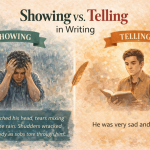 most confusing. Writers often hear the phrase without getting clear examples of what it actually means.
This resource breaks down the difference between showing and telling with practical examples and simple strategies you can apply immediately. It is a quick reference guide you can keep beside you while revising scenes.
Get the Showing vs. Telling Cheat Sheet here
Powerful Descriptions Checklist
Great descriptions do more than paint a picture. They help readers feel like they are inside the story world.
This checklist walks writers through the key elements of vivid description, including sensory details, emotional context, and specific language choices that bring scenes to life. It is especially useful during the editing stage when you want to strengthen the atmosphere of your writing.
Get the Powerful Descriptions Checklist here
Mastering Point of View
Point of view shapes how readers experience a story. A well-chosen perspective can deepen emotional impact and create a stronger connection between the reader and the characters.
This worksheet helps writers explore different POV options and think carefully about narrative voice, perspective consistency, and the advantages of each storytelling approach.
Get the Mastering Point of View resource here
Creating Tension and Stakes
Every good story needs tension. Without it, readers quickly lose interest.
This resource helps writers identify where tension exists in their story and where it might need strengthening. It also includes prompts that encourage you to raise the stakes for your characters and keep readers invested in what happens next.
Get the Creating Tension and Stakes resource here
First Chapter Checklist
The first chapter of a story carries a lot of weight. It introduces the reader to the world, the tone, and the central conflict.
This checklist helps writers evaluate whether their opening chapter accomplishes those goals. It walks through important questions about hooks, pacing, character introduction, and reader engagement.
Get the First Chapter Checklist here
Worldbuilding Resource Sheet
Whether you are writing fantasy, science fiction, historical fiction, or contemporary stories, strong worldbuilding helps readers believe in the setting of your story.
This worksheet guides writers through important aspects of building believable story worlds, including culture, environment, social structures, and background details that influence characters and events.
Get the Worldbuilding Resource Sheet here
Compelling Character Development
Characters are the heart of any story. Readers connect with characters who feel real, complex, and motivated.
 This character development worksheet helps writers explore motivations, fears, goals, and backstory elements that shape how characters behave within a narrative. It is especially useful when developing main characters or refining character arcs.
Get the Compelling Character Development worksheet here
Character Motivation Snapshot: A Quick Writing Win
Feeling stuck on what your character should do next? This quick, 10-minute sheet helps you zero in on your character’s immediate goal, motivation, and conflict so you can get back to writing fast. No overthinking, just clarity and momentum.
Get your Character Motivation Sheet here
Fiction Writing Checklist
Sometimes writers simply need a quick reminder of the key elements that make fiction work.
This checklist summarizes the core components of storytelling, including plot, character, pacing, conflict, and emotional engagement. It is a great tool to review when outlining a new story or revising a draft.
Get the Fiction Writing Checklist here
Villains Workbook
Memorable villains make stories stronger. A well-developed antagonist challenges the protagonist and drives the conflict forward.
This workbook helps writers build layered villains with motivations, strengths, weaknesses, and personal stakes that make them more than just obstacles in the story.
Get the Villains Workbook here
Writing Resources for Organization and Productivity
Ideas are wonderful, but ideas alone do not create finished stories. One of the biggest challenges writers face is staying organized and maintaining momentum long enough to complete a project.
Many writers have experienced the excitement of starting something new only to lose track of scenes, forget key plot details, or stall halfway through a draft. Organization and productivity tools can make a huge difference when it comes to finishing what you begin.
The following free writing resources focus on helping writers stay organized, build sustainable writing habits, and track their progress over time.
Scene Tracker
When you are working on a longer project such as a novel, it becomes surprisingly easy to lose track of individual scenes.
A scene tracker helps writers keep an overview of their story structure by recording key details about each scene, including the location, characters involved, and the purpose of the scene within the larger narrative. This makes it much easier to identify pacing issues or missing story beats during revision.
Writing Goals Tracker
Setting writing goals can be incredibly motivating, but it helps to actually track your progress.
This worksheet allows writers to record daily or weekly writing goals and monitor how consistently they are meeting them. Seeing progress on paper can be a powerful reminder that small steps eventually lead to finished manuscripts.
Get the Writing Goals Tracker here
Daily Writing Habits Checklist
Building a writing habit is often more important than waiting for inspiration.
This checklist helps writers develop consistent routines by identifying small daily actions that support the writing process. Even simple habits such as outlining scenes or brainstorming ideas can keep creativity moving forward.
Get the Daily Writing Habits Checklist here
Writing Schedule Planner
Finding time to write can be one of the hardest parts of being a writer, especially when balancing work, family, and other responsibilities.
This planning worksheet helps writers map out realistic writing schedules and identify time blocks that can be dedicated to creative work. Even short, consistent writing sessions can produce significant progress over time.
Get the Writing Schedule Planner here
Writing Sprints Worksheet
Writing sprints are short, focused bursts of writing designed to help writers overcome procrastination and silence their inner critic.
This worksheet helps you plan writing sprints, track your word counts, and reflect on what techniques help you stay focused. Many writers find that sprinting helps them produce more words in less time.
Get the Writing Sprints Worksheet here
Writing Sprints Fillable Version
Some writers prefer digital tools they can use directly on their computer or tablet.
This fillable version of the writing sprint worksheet allows you to track sprint sessions electronically while maintaining the same structure as the printable version.
Get the Fillable Writing Sprints Worksheet here
Time Management for Writers
Writers often struggle to balance creative work with everyday responsibilities.
This worksheet encourages writers to analyze how they spend their time and identify opportunities to create more space for writing. It also includes prompts that help prioritize writing goals without becoming overwhelmed.
Get the Time Management for Writers worksheet here
Your Creative Flow Worksheet
Every writer works differently. Some people write best in the early morning, while others find their creativity peaks late at night.
This worksheet helps writers identify their personal creative rhythms and design writing routines that align with their natural energy patterns.
Get the Creative Flow Worksheet here
Publishing and Author Career Resources
For many writers, finishing a manuscript is only the beginning of the journey. Once the story is written, the next question becomes: what happens next?
Publishing can feel confusing and overwhelming, especially for new authors who are trying to navigate the many options available today. Between traditional publishing, self-publishing, and building an online platform, writers are often faced with a lot of unfamiliar territory.
The following free writing resources focus on the publishing side of the writing life. These tools can help writers understand the publishing process, avoid common mistakes, and begin building the foundation of an author career.
Publishing Scam Checklist
Unfortunately, the publishing world has its share of scams that target new writers. Companies sometimes promise publication, marketing, or representation while charging large fees that provide little real value.
This checklist helps writers identify common warning signs and ask the right questions before committing to any publishing service. It is designed to help authors protect both their work and their finances.
Read the Publishing Scam Checklist here
Self-Publishing Checklist
Self-publishing has opened incredible opportunities for writers, but it also requires managing many different steps along the way.
This checklist walks through the essential stages of the self-publishing process, including editing, formatting, cover design, distribution, and marketing. It serves as a simple roadmap for writers who want to publish independently.
Explore the Self-Publishing Checklist here
Author Platform Starter Checklist
Today’s writers benefit from building an online presence where readers can discover their work.
This resource helps authors think through the basic elements of an author platform, including websites, social media, email lists, and reader engagement. It is especially helpful for writers who are just beginning to share their work publicly.
Get the Author Platform Starter Checklist here
Query Letter Guide
Writers who plan to pursue traditional publishing often need to write query letters to agents or publishers.
This guide explains the purpose of a query letter and outlines the key elements that make a strong submission. It also includes practical tips for presenting your story in a clear and compelling way.
Read the Query Letter Guide here
Social Media Strategies Cheat Sheet
Social media can be a powerful tool for connecting with readers, but many writers feel unsure about how to approach it.
This cheat sheet offers simple strategies for using social media in a way that feels authentic rather than overwhelming. The focus is on building relationships with readers rather than constantly promoting work.
Get the Social Media Strategies Cheat Sheet here
Starting a Writing Group Guide
Writing can sometimes feel like a solitary pursuit, but many authors find motivation and encouragement through writing groups.
This guide explains how to start or organize a writing group that supports creativity and constructive feedback. It includes tips for setting expectations, structuring meetings, and creating a positive environment for writers to grow.
Read the Starting a Writing Group Guide here
Writing Prompts and Inspiration
Every writer eventually reaches a moment where the ideas seem to stall. The blank page feels intimidating, and even writers with plenty of experience sometimes struggle to find a starting point.
Writing prompts and creative exercises can help break through that barrier. A simple prompt can spark a scene, introduce a new character, or lead to an entirely new story idea.
The following free writing resources focus on inspiration and creativity. Whether you are journaling, brainstorming a new project, or trying to break through writer’s block, these tools can help get the words flowing again.
365 Journal Prompts for Creative Writers
Sometimes the hardest part of writing is simply deciding what to write about. This collection of prompts provides a full year of ideas designed to spark creativity and help writers build a consistent writing habit.
Writers can use these prompts for journaling, short story practice, or brainstorming exercises when starting a new project.
Explore the 365 Journal Prompts for Creative Writers here
Journaling Prompts
Journaling is one of the most effective ways to strengthen writing skills while also exploring personal ideas and reflections.
This prompt collection encourages writers to explore memories, experiences, and creative questions that can lead to deeper storytelling insights.
Get the Journaling Prompts here
Writing Inspiration Worksheet
Every writer gathers inspiration differently. Some are inspired by images, others by memories, conversations, or small moments in everyday life.
This worksheet helps writers capture those sparks of inspiration and turn them into possible story ideas, scenes, or characters.
Get the Writing Inspiration Worksheet here
7 Quick Actions to Crush Writer’s Block
Writer’s block happens to nearly everyone at some point. The good news is that it rarely lasts forever.
This resource provides seven simple strategies writers can use to reset their creativity and start generating new words again. Many writers find that even a small shift in approach can quickly restore momentum.
Read 7 Quick Actions to Crush Writer’s Block here
I hope you enjoy these free writing resources. Remember to check back often for updates.